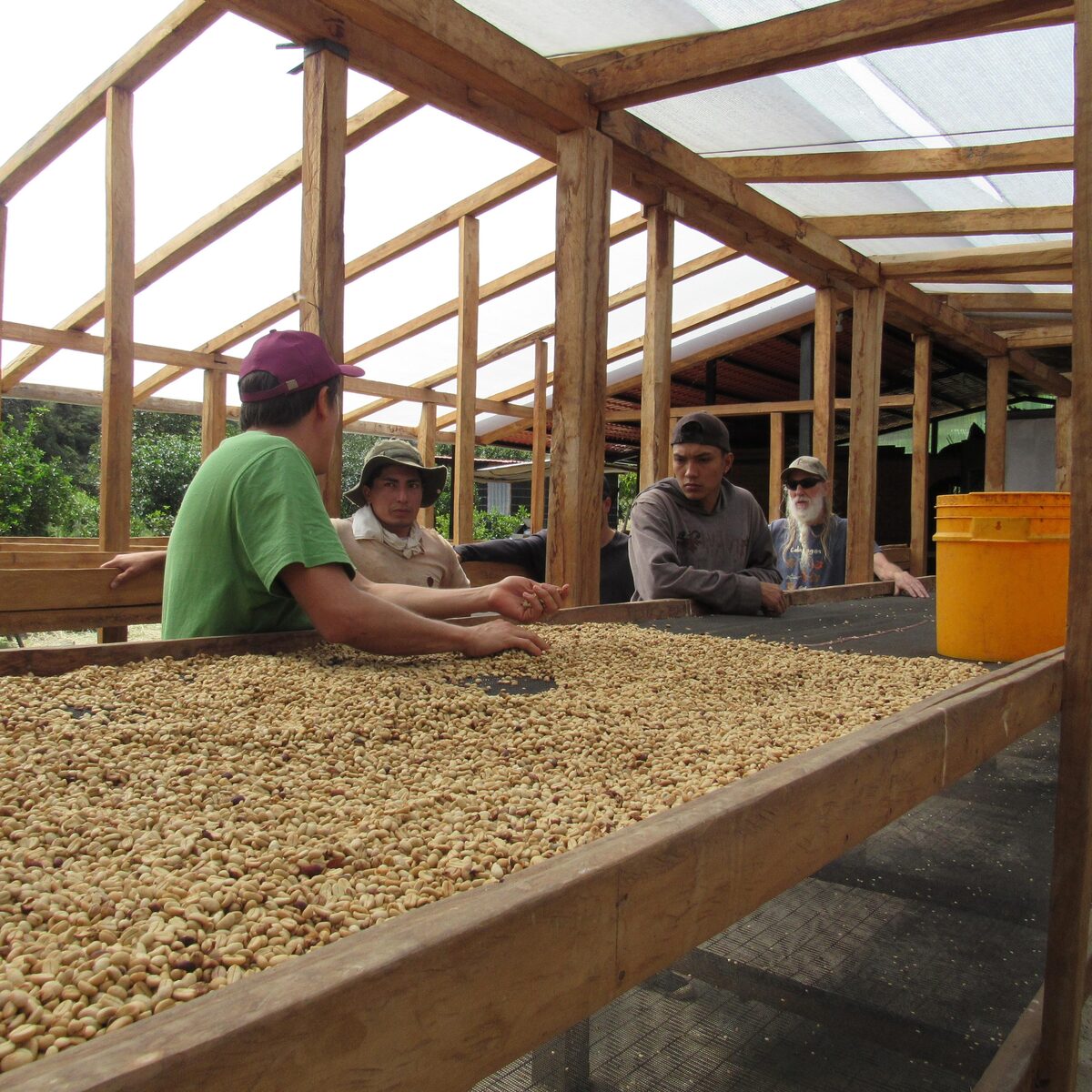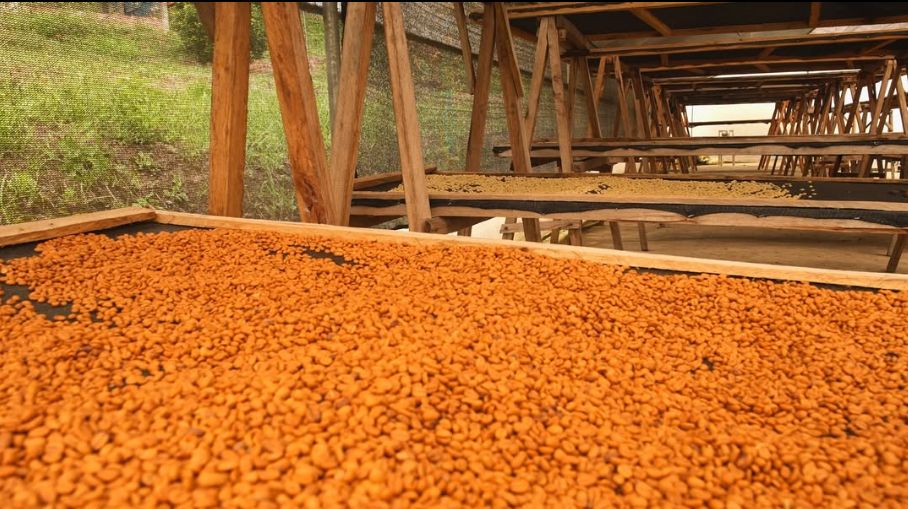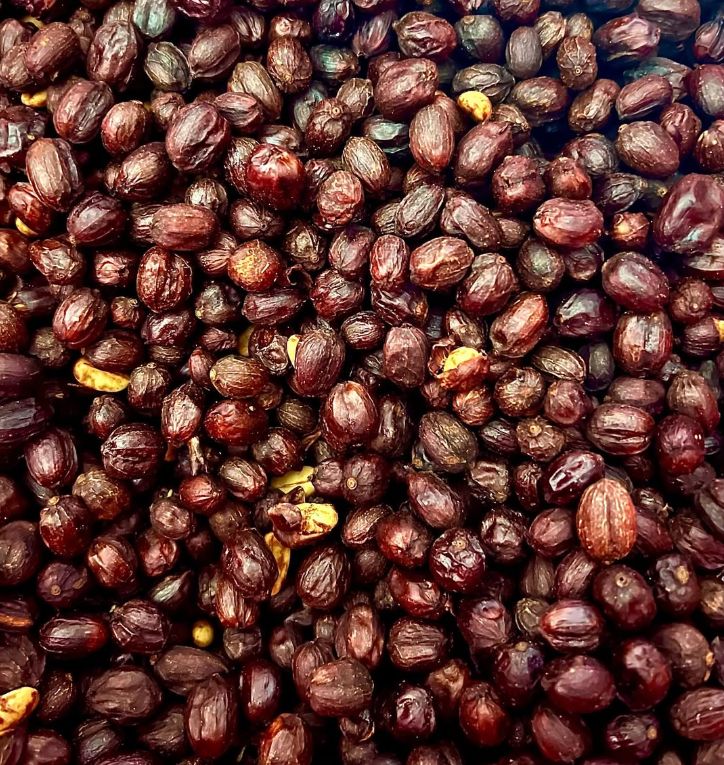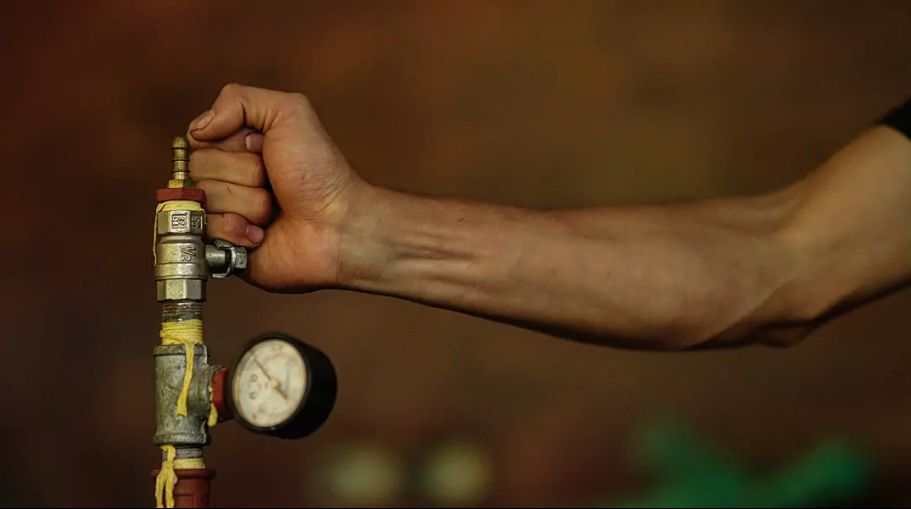
The wet mill laboratory at Hacienda La Florida, located in the province of Loja, is a space dominated by stainless steel and digital measuring instruments. Here, the Andean air is kept at bay behind the water locks of our hermetic fermentation tanks. This is not an environment where chance has a place; it is the epicenter of anaerobic fermentation—a technique that has revolutionized the modern understanding of coffee flavor by replacing traditional open methods with strict control over gases, temperature, and acidity.
In conventional coffee farming, fermentation was understood merely as a mechanical de-gumming step: a way to loosen the sticky mucilage from the parchment bean through spontaneous fermentation in open concrete vats. However, in high-end specialty coffee, we understand that this process is actually the primary architect of the sensory profile. Anaerobic fermentation represents the transition from purely extractive agriculture to precision biotechnology.
The Physics and Microbiology of the Sealed Environment
To understand anaerobic fermentation, we must first demystify the term within the industrial context of coffee. From a pure microbiological perspective, fermentation is by definition an anaerobic process (it occurs in the absence of oxygen). However, when we speak of “anaerobic processing” in coffee, we refer to an operational method of active atmospheric oxygen exclusion.
In traditional open tanks, gaseous oxygen is constantly in contact with the coffee mucilage. This favors the proliferation of strict aerobic microorganisms, particularly acetic acid bacteria (Acetobacter), which rapidly oxidize ethanol into acetic acid. If the level of acetic acid rises too high, the coffee develops undesirable notes of vinegar, sour alcohol, and astringency.
By placing the depulped coffee or whole cherries inside our tanks sealed with hermetic gaskets and one-way escape valves, the oxygen present is rapidly consumed by the initial cellular respiration of the pulp and microorganisms within the first few hours. Once depleted, the environment becomes saturated with carbon dioxide produced by the microbes themselves, completely halting the metabolism of acetic acid bacteria and aerobic molds.
“The hermetic seal not only protects the coffee from oxidation but naturally selects the microorganisms we want to act: facultative anaerobic yeasts and lactic acid bacteria. By controlling their environment, we control the sweetness and brightness in the cup.”
The Role of Lactic Acid Bacteria (LAB) and Yeasts
Under these strictly anaerobic conditions, the dominant microorganisms are yeasts of the genus Saccharomyces (facultative anaerobes) and lactic acid bacteria such as Leuconostoc and Lactobacillus.
- Homolactic Fermentation: Converts the glucose in the mucilage directly into lactic acid. This acid imparts a creamy, rounded lactic acidity to the coffee, translating into notes of yogurt, butter, and a silky mouthfeel.
- Heterolactic Fermentation: In addition to lactic acid, it produces ethanol, carbon dioxide, and mannitol—aromatic precursors of complex esters that contribute intense fruit notes (stone fruits, red berries, and tropical fruits).
Anaerobic vs. Carbonic Maceration: Two Distinct Paths
It is very common for these two terms to be confused in the specialty coffee industry. However, the differences in their biochemical starting points and operations are substantial:
| Feature | Anaerobic Fermentation | Carbonic Maceration |
|---|---|---|
| Physical State of Coffee | Commonly depulped (exposed mucilage), though whole cherry is possible. | Exclusively perfectly intact, whole cherry. |
| Start-Up Method | Coffee is sealed in the tank; passive oxygen consumption by microbes creates anaerobiosis. | Industrial CO₂ gas is actively injected to purge oxygen immediately before microbial onset. |
| Process Driver | External microbial fermentation (yeasts and bacteria colonizing the mucilage). | Intracellular anaerobic respiration (endogenous enzymatic autolysis inside the living plant cells). |
| Cup Profile | Intensifies bright acidity, defined fruitiness, creaminess, and cleanliness. | Complex wine-like notes, deep and rounded acidity, dense texture with elevated glycerol levels. |
At Hacienda La Florida, we strategically select which of these two methods to apply based on the harvested lot, seeking to enhance the natural aromatic virtues of each variety.
Control Parameters and Process Protocol
Precision anaerobic fermentation requires continuous monitoring of three critical variables: temperature, pH, and time. A deviation in any of these parameters can drastically alter the tank’s microbial population, ruining the batch.
1. Thermal Control
Fermentation is an exothermic reaction (it releases heat). In conventional plastic tanks, the internal temperature can rise above 30°C, which accelerates microbial metabolism to uncontrollable rates, destroying delicate aromatic precursors. At Hacienda La Florida, we use stainless steel tanks equipped with active cooling jackets. We maintain the internal temperature stable within a range of 18°C to 22°C. At these cool temperatures, yeasts work at an optimal but leisurely pace, limiting the production of unpleasant higher alcohols and favoring the synthesis of fine esters.
2. Kinetic pH Monitoring
As lactic acid bacteria metabolize sugars, the mucilage becomes more acidic, causing a drop in pH. We measure the pH every 6 to 8 hours using calibrated digital pH meters. The stoppage point of the process is critical: if we allow the pH to drop below 3.8, the fermentation enters a state of over-acidity, producing a coffee with a harsh, metallic profile. We halt the process precisely when the pH reaches the target range of 3.9 to 4.1.
3. Slow and Uniform Drying
Once the fermentation time is complete (ranging from 48 to 120 hours depending on the variety and initial Brix), the beans are lightly washed to remove excess metabolized mucilage and moved immediately to our climate-controlled dark room. Here, they undergo extremely slow drying at 18°C and 50% relative humidity, preventing thermal shock and stabilizing the coffee’s essential oils to guarantee the longevity of the cup profile.
Operating Variables of Anaerobic Fermentation
| Technical Parameter | Target Range | Control Method | Impact on Quality |
|---|---|---|---|
| Coffee Variety | Typica Mejorado / Sidra / Catucaí | Field selection | Determines the initial sugar composition |
| Initial Mucilage Brix | 21° - 23° Bx | Optical refractometer | Substrate for the tank’s microbial population |
| Operating Temperature | 18°C - 22°C | Double jacket with cold water circulation | Fermentation speed and cup clarity |
| Stop pH | 3.9 - 4.1 | Precision digital pH meter | Acidity level and sensory balance |
| Fermentation Duration | 48 - 120 hours | Time tracking | Complexity of fruit notes and body |
| Parchment Drying | 10.5% - 11.5% moisture | Grain moisture meter | Prevents molds and preserves flavors for months |
Sensory Expression in the Cup: The Anaerobic Typica Mejorado
Our signature variety, Typica Mejorado, processed through our precision anaerobic fermentation protocol, is a testament to the efficacy of this scientific method. When Phil & Sebastian roasted this coffee, the profile revealed complex aromatic notes that would have otherwise remained dormant under a traditional washed process.
In the cup, this coffee displays a vibrant, sparkling acidity of orange liqueur and nectarine, accompanied by a crystalline sweetness evoking lychee and a long finish imbued with floral notes of jasmine and black tea. The lactic acidity, strictly modulated during the hermetic fermentation, adds a velvety roundness to the palate that enhances the body without obscuring the clarity of its origin.
“Anaerobic fermentation allows us to act as conductors of flavor. We do not modify the coffee’s genetics, but we fine-tune the chemical sheet music that nature has written in the bean.” — Fabricio Coronel, Q-Grader.
Hacienda La Florida demonstrates that 21st-century coffee farming demands rigor, science, and an unwavering devotion to detail. By mastering the anaerobic environment, we ensure that every batch is an exact reflection of technical excellence and the exceptional terroir of the Ecuadorian Andes.
Back to Blog