In the contemporary narrative of specialty coffee, fermentation protocols and biotechnology tend to capture the headlines and the imagination of baristas and consumers alike. However, the physical method of processing remains the most defining factor in the texture, body, and sweetness profile of the final cup. Among all methods, natural processing (or dry processing) stands out as the oldest, most traditional, and paradoxically, one of the most challenging to execute at a true specialty grade. At Hacienda La Florida, located in the mountainous province of Loja, Ecuador, we have taken this rustic method and refined it through a scientific lens to create clean, complex coffees with unmatched sweetness and structural depth.
The Physics of Evaporation and Osmosis
To understand the magic and complexity of a natural coffee, one must analyze the physical and chemical changes occurring inside the cherry as it rests on the drying beds. Unlike the washed process, where the bean is stripped of its fruit layers immediately, natural processing requires the seed to dry in intimate contact with the entire fruit structure: the exocarp (skin), the mesocarp (mucilage), and the endocarp (parchment).
As free water begins to evaporate from the outer skin of the cherry under the sun, a sugar concentration gradient forms. The mucilage layer, packed with a dense concentration of sucrose, fructose, glucose, and organic acids (including malic, citric, and quinic acids), acts as a molecular transfer chamber. Through passive osmosis and capillary action, these soluble solids and aroma precursors slowly migrate into the porous structure of the green seed. This phenomenon is why natural coffees develop their characteristic syrupy body, deep caramelized sugar sweetness, and complex fruit-forward bouquet.
However, this abundance of sugars in contact with high moisture presents a constant biological hazard. Without precise environmental control, the whole cherry becomes an ideal incubator for wild yeasts and molds that produce acetic acid (vinegar), phenolic compounds (medicinal or moldy flavors), and in worst-case scenarios, harmful mycotoxins.
The Precision Natural Protocol at Hacienda La Florida
At Hacienda La Florida, our natural process is never left to luck or uncontrolled weather. We have developed a rigorous five-phase protocol to manage the thermodynamic and microbiological risks of drying whole cherries.
1. Late-Stage Harvesting and Brix Analysis
The harvesting window for our natural lots is even stricter than that of our washed coffees. We search for cherries in their late-ripening stage—when the skin turns a deep red or purple—just before they begin to dehydrate on the tree.
At this point, the concentration of total soluble solids in the mucilage is at its absolute peak. We run constant refractometer tests in the fields, only harvesting when the cherries measure between 20 and 24 degrees Brix. This sugar concentration is essential to fuel the osmotic migration of compounds during the long drying process.
2. Floatation and Sanitization
Immediately upon entering the wet mill, the cherries are poured into water floatation tanks (siphons). Water serves as a density separator: underdeveloped, insect-damaged, or dry cherries float to the surface and are discarded.
The dense, high-quality cherries that sink are washed to remove dust or soil. This step also acts as a physical sanitization, reducing the initial wild microflora load on the cherry skin to prevent uncontrolled fungal growth on the drying beds.
3. The Critical First 72 Hours on Raised Beds
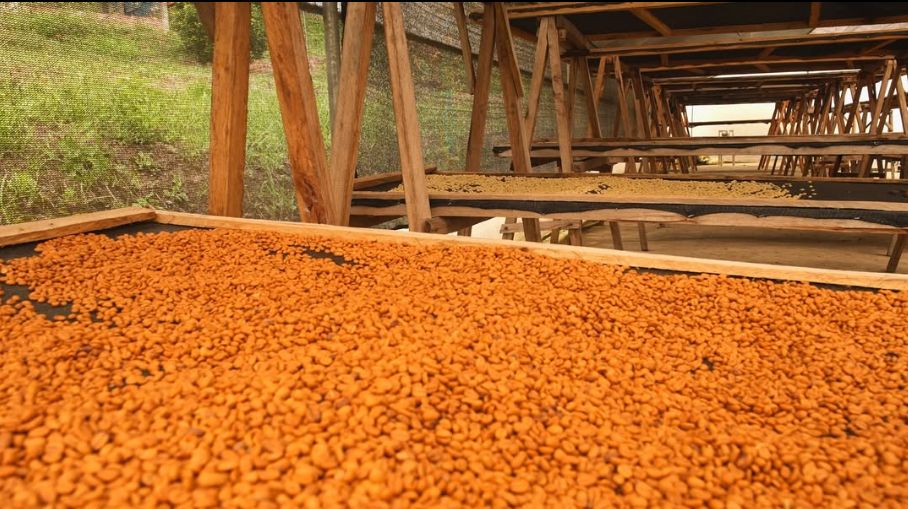
The clean cherries are immediately transferred to our raised mesh beds (African beds). At this early stage, the cherry is at roughly 60% moisture content, and its skin is wet from the floatation process. These first 72 hours represent the highest risk for mold development.
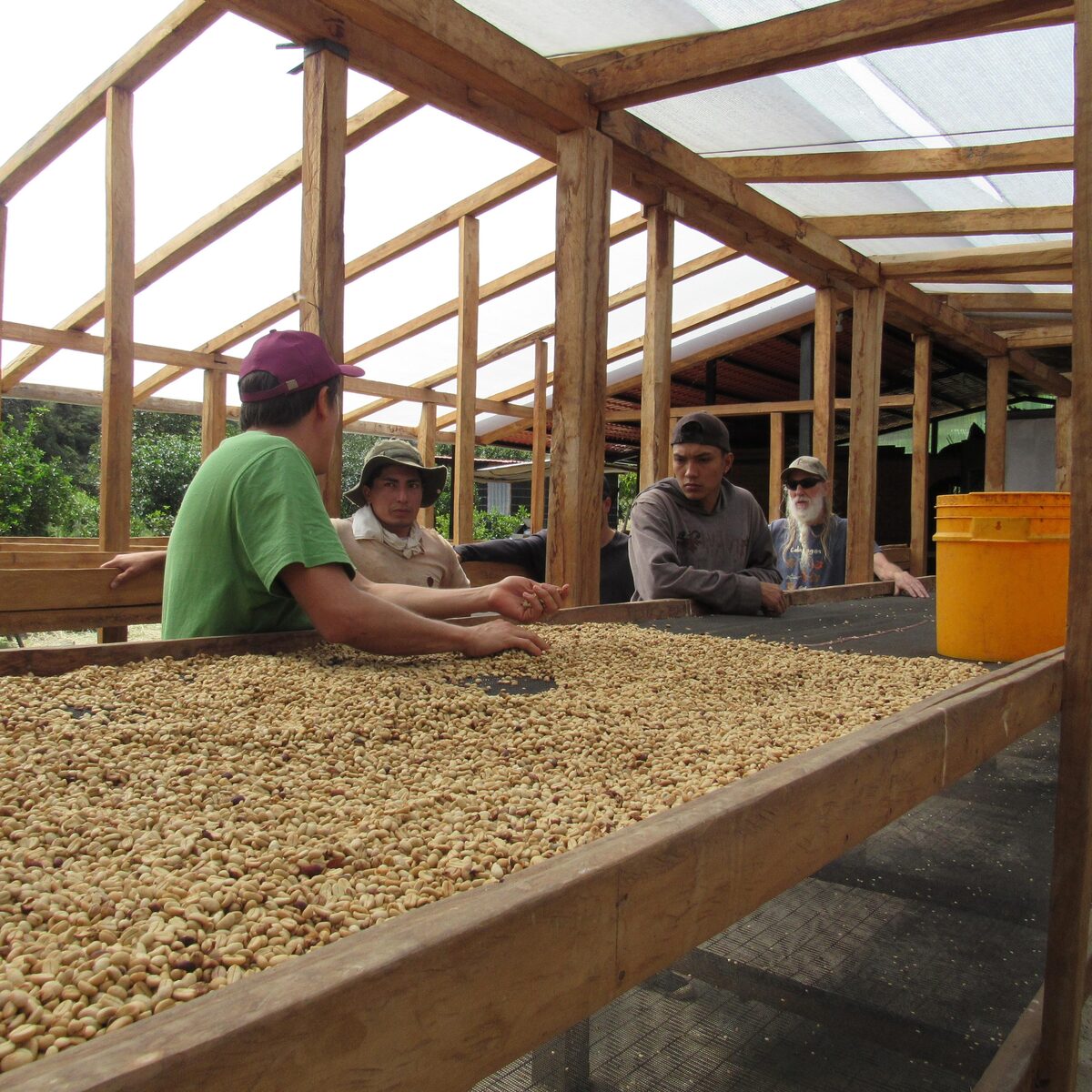
To mitigate this, we spread the cherries in an ultra-thin layer, just one bean thick. Our wet mill team works in rotating shifts to turn the cherries manually every 30 to 45 minutes during daylight hours. This constant movement ensures rapid dehydration of the outer skin, sealing the fruit epidermis and preventing mold spores from settling and germinating.
4. Slow Drying and Temperature Control
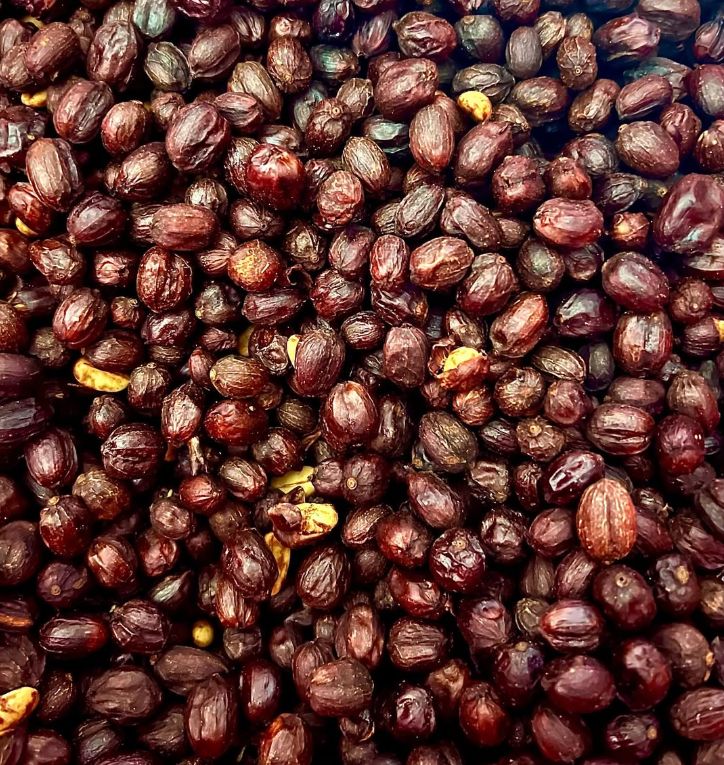
Once the initial critical phase is passed and the cherries shrivel to resemble dark raisins, the turning frequency is reduced to 2-to-3-hour intervals. At this point, we increase the layer thickness to 3–4 centimeters to slow down moisture loss, ensuring a steady, long-term migration of sugars into the seed.
During this drying period, which takes 20 to 35 days, we monitor the bean temperature daily using insertion probes and thermal cameras. Solar radiation in Loja can be intense. If the internal cherry temperature rises above 38°C (with a maximum limit of 40°C), we immediately roll out shade cloths over the beds. Overheating kills the cell embryo and destabilizes the bean’s lipids, while also accelerating volatile acetic fermentations that ruin the cup clarity. If persistent rains or extreme relative humidity occur, we move the cherries to our climate-controlled dark room to finish drying under stable, passive conditions.
5. Stabilizing Rest (Curing in Parchment)
Once the natural coffee reaches our target moisture content of 10.0% to 12.0%, the drying phase ends, but the coffee is not yet ready for hulling. In this state, the coffee is known as coco or dried cherry.
Because the whole cherry is dried intact, micro-moisture gradients exist between the dry outer skin and the core of the seed. To balance the lot at a cellular level, we store the dried cherries in hermetically sealed GrainPro or Ecotact bags in our climate-controlled warehouse, maintained at a constant 18–20°C and 60% relative humidity. The coffee rests here for 30 to 60 days. This curing phase allows moisture to equalize across the batch, stabilizing volatile compounds and preventing premature aging once the coffee is hulled and shipped.
Sensory Profile: An Explosion of Complexity
A natural coffee processed under these strict scientific parameters offers a sensory profile that is bold, expressive, and intensely aromatic:
- Exuberant Fruit Notes: Bold aromas of blackberries, blueberries, ripe cherries, plums, and tropical fruits like mango and passionfruit.
- Deep, Integrated Sweetness: Flavor notes of high-purity dark chocolate, toffee, molasses, and caramelized sugars.
- Heavy, Syrupy Body: A luxurious, heavy mouthfeel that coats the palate, leaving a long-lasting, pleasing tactile finish.
- Wine-like Acidity: A structured, complex acidity reminiscent of a fine red wine or ripe stone fruits.
Innovation and Terroir in Loja
Hacienda La Florida benefits from an exceptional geographical setting for natural coffees. Our microclimate on the Andean slopes of Loja features a pronounced dry season that overlaps with our harvest months (June to September). This dry weather provides high solar radiation and low relative humidity, perfect for drying whole cherries.
Within this environment, we have developed award-winning natural microlots with our Catucaí and Typica Mejorado varieties. Our Catucaí Natural is celebrated for its dense body and deep chocolatey sweetness. Our Typica Mejorado Natural is one of our finest offerings: the marriage of the variety’s crisp citric acidity with the heavy sweetness and syrupy body of the natural process creates a complex cup. It consistently scores above 88.5 points in international tastings and regularly achieves top positions in specialty coffee auctions.
Redefining the Natural Process
Specialty natural processing is proof that applied science can elevate a traditionally rustic method into a world-class luxury product. It requires meticulous discipline, hourly monitoring over a month, and dedicated climate-controlled storage.
At Hacienda La Florida, we embrace this effort because it translates into a clean, defect-free cup that surprises Q Graders and coffee enthusiasts. It delivers the bold flavors of ripe fruit with the clarity and precision that only scientific processing can achieve.
Continue exploring our post-harvest craft: read our guide on the honey process for a balanced middle ground, or discover the opposite sensory spectrum in our washed process guide. Keep in mind that all these profiles rely heavily on the thermodynamic principles explained in our article on the science of drying.
Back to Blog