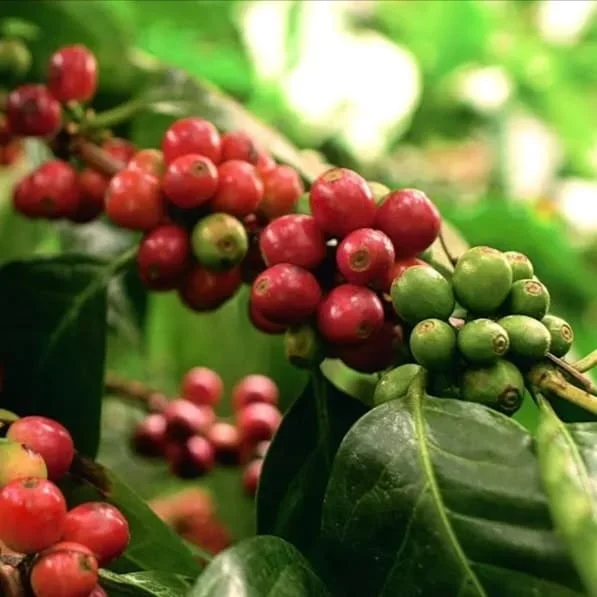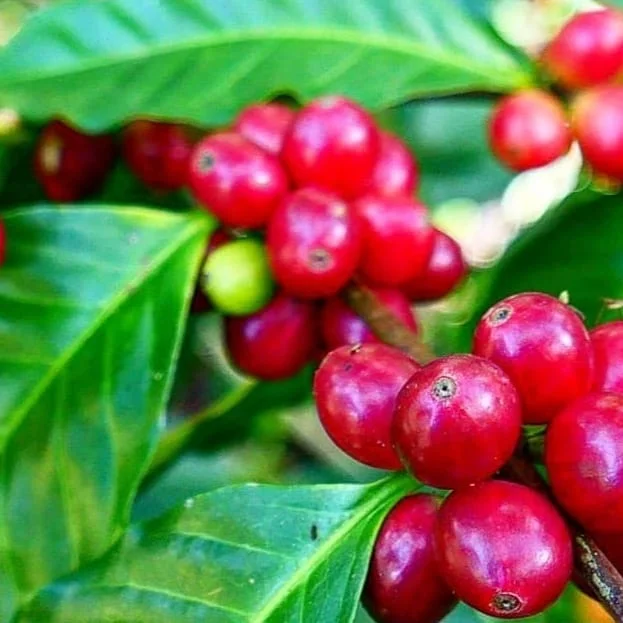
Sidra coffee is not just another exotic variety in the global market. It represents one of the most fascinating genetic milestones in modern specialty coffee. Featuring an extraordinarily complex sensory profile that rivals the famous Panamanian Gesha, Sidra has emerged as the spearhead of high-end coffee production in Ecuador.
At Hacienda La Florida, we planted our first Sidra plots in 2016. It was our foundational variety, and since then, it has allowed us to understand the perfect synergy between outstanding genetics and the unique Dry Forest terroir of Loja. Below, we break down the history, agricultural science, and flavor profiles of this exceptional coffee.
The True Origin of the Sidra Variety: Science, Mystery, and Rescue
For years, commercial narratives described Sidra as a “wild Ethiopian landrace variety” that magically appeared or mutated on Ecuadorian slopes. However, scientific research and the country’s agronomic history tell a much more compelling story rooted in research science and the dedication of local producers.
The Nestlé Project in Pichincha
The birth of Sidra is tied to a coffee breeding and research station operated by Nestlé in the Pichincha province of northern Ecuador during the 1990s. The laboratory’s goal was to develop experimental hybrids that combined the high yield and structural sweetness of traditional American varieties with the aromatic complexity and floral intensity of wild Ethiopian accessions.
When the research facility closed down, the experimental plants were left in an informal limbo. Thanks to the vision of local agricultural technicians, such as Don Olger Rogel, and pioneer farmers in the region, these seeds were rescued, propagated, and tested in the field. From this salvaged gene pool, two of modern Ecuador’s most celebrated varieties emerged: Typica Mejorado and Sidra.
Genetics: A Hybrid of Bourbon and Ethiopia Heirloom?
DNA fingerprinting conducted by specialized institutions, such as geneticist Dr. Christophe Montagnon (RD2 Vision), indicates that Sidra possesses a hybrid heritage. Its lineage combines the structured sweetness and body of Red Bourbon with the intense floral notes and organic acids of an Ethiopian Heirloom (a wild Coffea arabica landrace).
This genetic composition gives Sidra remarkable genotypic plasticity. Unlike highly stabilized, uniform commercial varieties like Caturra or Castillo, Sidra plants retain a high degree of adaptability and environmental responsiveness. The trees translate subtle changes in microclimate, elevation, and soil nutrition into highly complex, distinct cup profiles.
The Loja Terroir: Why Sidra Thrives in the Dry Forest
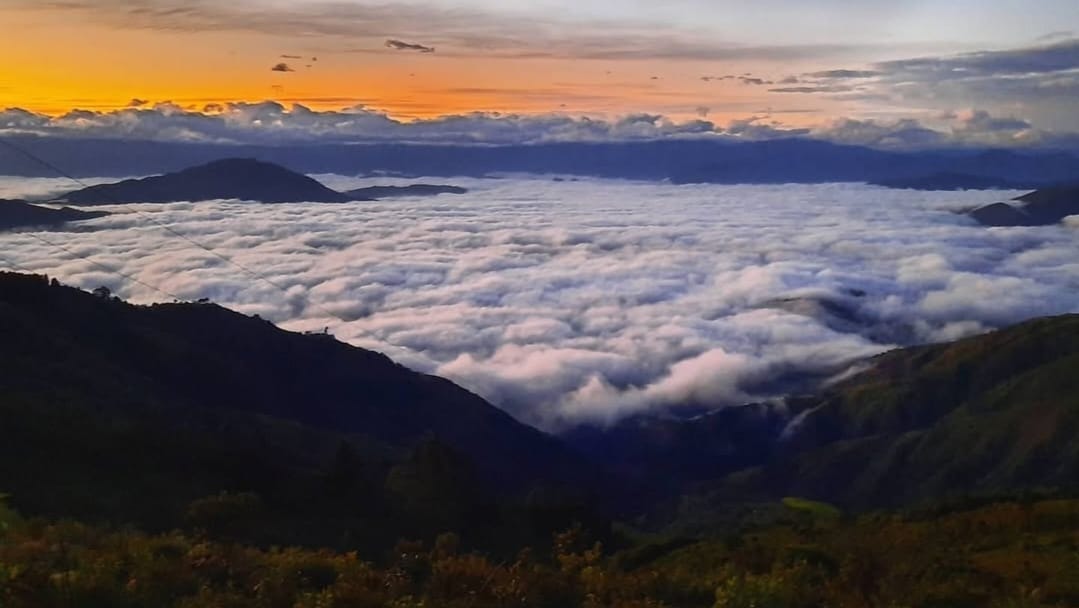
Hacienda La Florida is situated in the Loja province of southern Ecuador. Here, Sidra has found an ideal habitat between 1,500 and 1,700 meters above sea level (with microlots reaching up to 1,800 masl) under the direct influence of the Tropical Dry Forest ecosystem.
The Synergy of the Loja Terroir: The altitude and microclimate of Hacienda La Florida act as a natural catalyst for the Sidra variety. The distinct five-month dry season imposes controlled water stress that concentrates sugars within the cherry; the 12–15°C diurnal temperature swings slow the coffee tree’s nighttime respiration, preserving key organic acids; and the volcanic-influenced soils provide the essential mineral nutrition to develop its complex acidity. The result of this equation is an exceptionally dense and aromatic bean.
Controlled Climatic Stress and Bean Density
The Dry Forest climate is characterized by distinct seasonality, including a dry season lasting about five months. This environment creates controlled water stress in the coffee trees. When the seasonal rains arrive, the plant channels its water and metabolic resources into the developing cherries. This dynamic results in exceptionally dense seeds with a high concentration of soluble carbohydrates (sugars).
The Influence of Andean Volcanic Soils
Loja’s soils are naturally rich in potassium, phosphorus, and nitrogen, fertilized over centuries by Andean volcanic activity. These minerals sustain the tree’s metabolic health, allowing Sidra to develop a bright yet integrated malic acidity and the silky, dense mouthfeel that defines Loja’s best specialty coffees.
Agronomy of Sidra: Challenges and Realities in the Field
Growing Sidra is not suited for high-volume, low-cost operations. It is a demanding plant that requires specialized agricultural management:
- Limited Yields: Sidra trees yield significantly less cherry volume per hectare compared to modern hybrids or commercial varieties like Catucaí.
- Disease Susceptibility: The variety is sensitive to coffee leaf rust (Hemileia vastatrix) and American leaf spot (Mycena citricolor), requiring precise organic nutrition and preventive disease management.
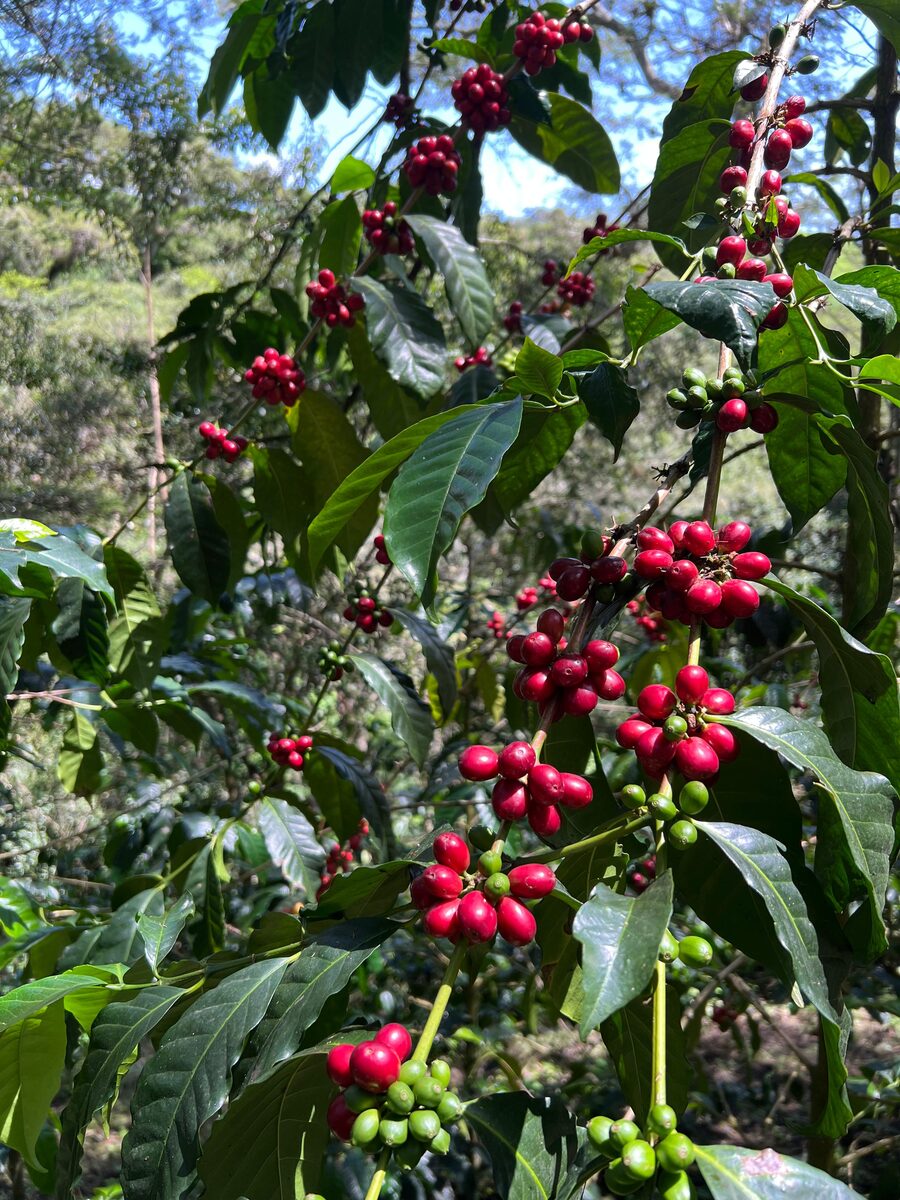
- Dynamic Shade Management: At Hacienda La Florida, due to the intense solar radiation of the Dry Forest, we grow our Sidra under a canopy of regulated shade provided by native forest trees. This lowers leaf temperature, slows cherry ripening, and prevents soil erosion.
- Multi-Stage Selective Harvesting: Sidra cherries do not ripen uniformly. To ensure that only fruit at its absolute peak (ranging between 20 and 24 degrees Brix) is harvested, our pickers conduct four to five passes through the same trees throughout the harvest season.
Sensory Profile: The Cup Experience of Loja’s Sidra
The sensory signature of Sidra is defined by floral elegance and deep fruit notes that evolve dynamically as the cup cools.
Key Tasting Notes from a Q-Grader
In formal sensory evaluations conducted by certified Q-Graders, Hacienda La Florida’s Sidra stands out in the following attributes:
- Fragrance & Aroma: Intense floral notes resembling jasmine, orange blossom, and wild lavender, followed by sweet undertones of apricot and raw honey.
- Flavor: Clean notes of white peach, red apple, sweet citrus (like clementine), and subtle hints of black tea or bergamot.
- Acidity: Bright, juicy, and primarily malic (crisp apple) and soft citric in character.
- Mouthfeel & Body: Its primary differentiator is a silky, velvety body that coats the palate, providing a satisfying, high-weight mouthfeel.
Sidra vs. Gesha: Key Differences and Similarities
While often compared due to their refined floral profiles and high auction values, Sidra and Gesha are distinct varieties:
| Attribute | Sidra Variety | Gesha Variety |
|---|---|---|
| Lineage Origin | Hybrid developed in Ecuador | Wild selection purified in Panama |
| Mouthfeel | Round, silky, medium-to-heavy body | Light, tea-like, delicate texture |
| Acidity Profile | Juicy, malic, and wine-like | Sparkling, citric, and phosphoric |
| Florals | Jasmine, orange blossom, wild lavender | Jasmine, lemon blossom, bergamot |
| Farm Management | Requires frequent pruning & high nutrition | Highly sensitive to winds & requires extreme elevation |
The Impact of Post-Harvest Processing at Hacienda La Florida
We believe that post-harvest processing should never mask Sidra’s genetics but rather highlight its potential. The dense cell structure of the bean makes it ideal for specialized fermentation methods:
Washed Sidra
This method reveals the purest expression of the variety. The cherries are depulped and dry-fermented for 24 to 36 hours to dissolve the mucilage before being washed with clean spring water. The result is an exceptionally clean cup with sharp jasmine notes, sparkling acidity, and a long finish.
Honey Sidra
The seeds are dried with their mucilage intact on shaded African beds. At Hacienda La Florida, the Honey process (particularly White and Yellow Honey) highlights the coffee’s natural sweetness, yielding notes of raw honey, cane sugar, and a creamy body while preserving the variety’s delicate floral notes.
Carbonic Maceration: Pushing the Boundaries of Complexity
Our most exclusive microlots undergo Carbonic Maceration. Whole Sidra cherries are placed inside hermetically sealed stainless steel tanks. Carbon dioxide (CO₂) is injected to displace oxygen, establishing a controlled anaerobic environment.
During this intracellular fermentation process (which lasts 48 to 72 hours under strict temperature control between 15°C and 18°C), the sugars from the pulp migrate into the seed’s embryo. This yields a highly complex, structured cup with notes of lychee, ripe red fruits, apple cider, and a dense, syrup-like body.
The Future of Sidra as Ecuador’s Signature Specialty Coffee
Sidra has secured its position as the banner of Ecuadorian specialty coffee on the international stage. While other producing countries compete on volume or established traditional cultivars, Ecuador distinguishes itself through biological exclusivity and precision agriculture with varieties like Sidra and Typica Mejorado.
For global roasters, offering a high-quality Ecuadorian Sidra is a statement of intent: it showcases the potential of precision agriculture that respects the Dry Forest terroir, protects local biodiversity, and delivers memorable, consistent cup profiles.
Experience the elegance of Sidra coffee at its peak. Samples and imports are available through Cafesure. Contact us at info@haciendalaflorida.com to inquire about lot availability.
Back to Blog