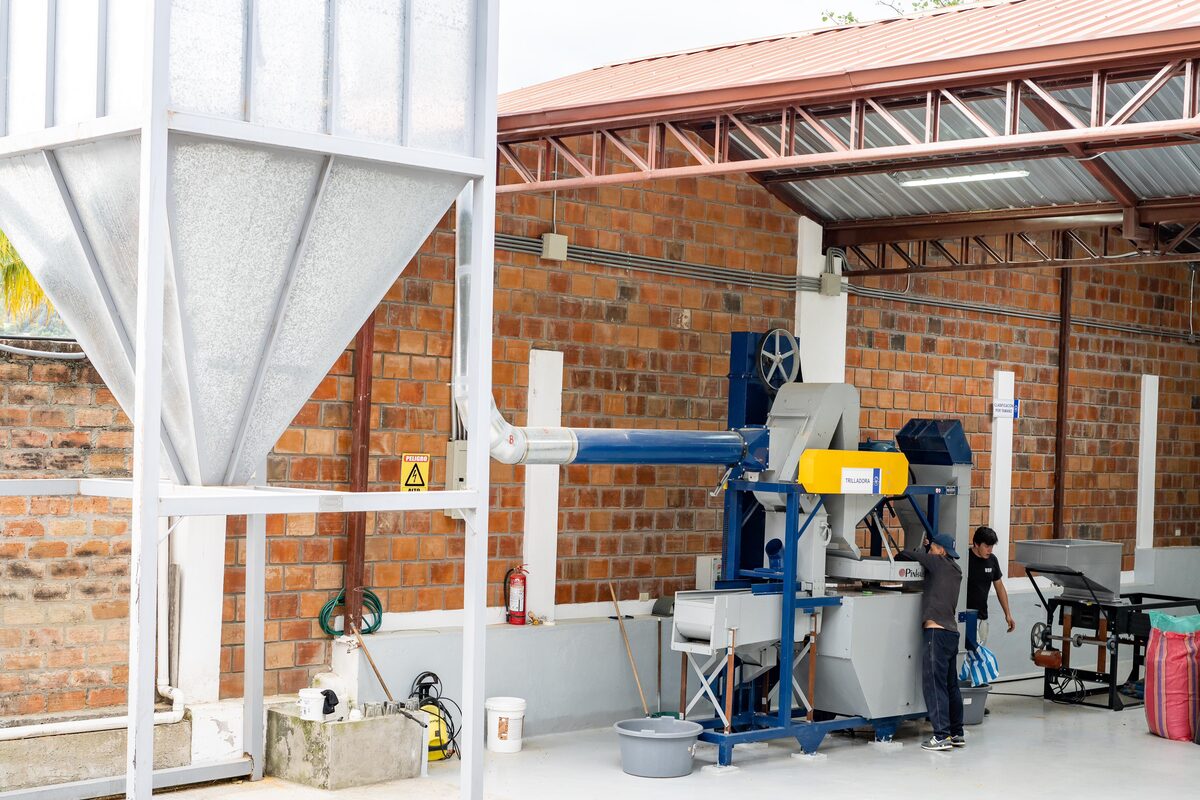
The wind descending from the Loja mountain range carries the whisper of the dry forest—an ecosystem of contrasts where plant life survives through extreme adaptations. In this unique terroir, at 1,700 meters above sea level, Hacienda La Florida produces coffees that challenge sensory paradigms. However, the magic in the cup is not solely the result of clay-loam soils and Andean solar radiation; it is in the quiet shade of our wet mill laboratory where the latent character of the coffee cherry is sculpted through processes bordering on alchemy. Among them, carbonic maceration stands out as our most celebrated precision technique.
Born in the 1930s in the French wine region of Beaujolais, carbonic maceration redefined the organoleptic profile of young wines. Decades later, bold specialty coffee producers imported this scientific principle to coffee cultivation. At Hacienda La Florida, we do not merely replicate the technique: we adapt the thermodynamics and gaseous control of winemaking to the coffee mucilage, creating standardized protocols that have driven our Sidra, Typica Mejorado, and Catucaí varieties to the Cup of Excellence and onto the stages of world coffee championships.
The Intracellular Phenomenon: Biochemistry Without Oxygen
To understand carbonic maceration in coffee, it is imperative to clear up a recurring misconception: it is not a fermentation driven by external grape yeasts or microorganisms inoculated in its initial phase. True carbonic maceration occurs at an infinitely more intimate molecular level. It is a process of intracellular anaerobic respiration (autolysis) that is triggered endogenously, that is, within the living tissue of each individual, intact cherry.
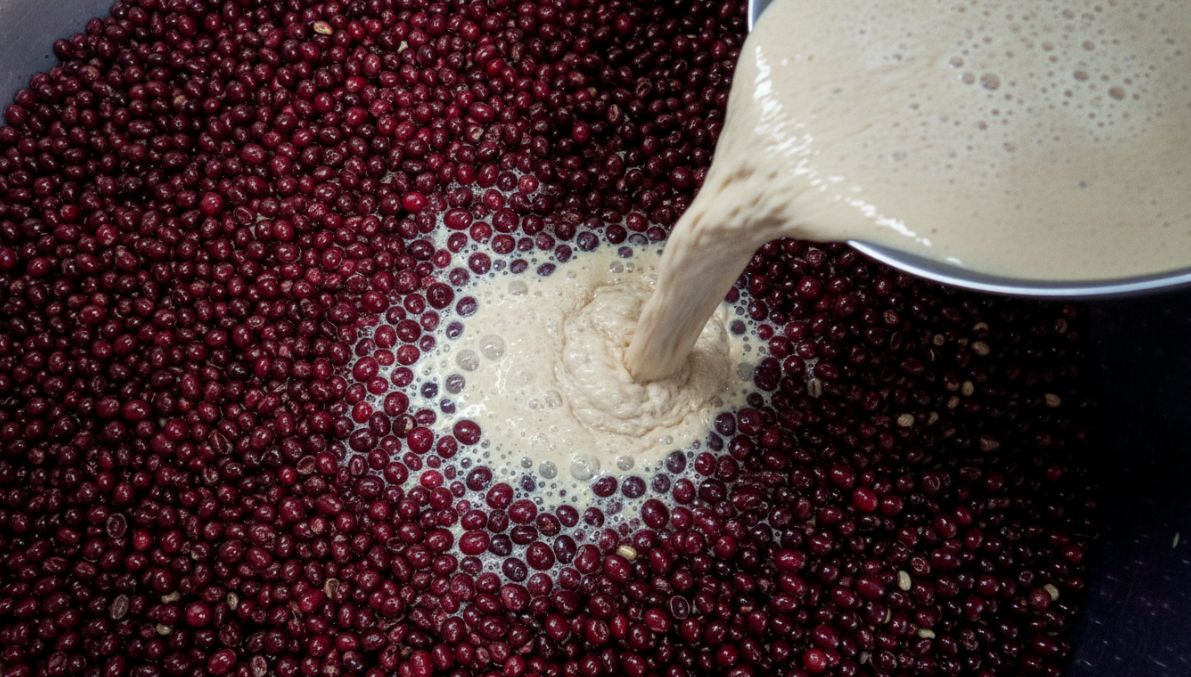
By placing perfectly ripe, whole coffee cherries inside a hermetic stainless steel tank and completely purging the air through the active injection of carbon dioxide (CO₂), we deprive the fruit’s cells of oxygen. Faced with asphyxiation, the cherry’s cells do not immediately die; instead, they switch their metabolism from respiratory to fermentative.
“The intact cherry functions as a microscopic, individualized bioreactor. In the absence of oxygen, the pulp’s own intracellular enzymes take control of the fermentation before any external microbe acts. It is the plant revealing its own essence.” During this intracellular autolysis, crucial enzymes such as alcohol dehydrogenase and pyruvate decarboxylase begin to metabolize the glucose and fructose within the mucilage, converting them into ethanol and carbon dioxide. This metabolic pathway shift generates unique biochemical byproducts that diffuse directly from the pulp into the endosperm (the coffee bean).
The Transformation of Malic Acid
One of the most extraordinary chemical milestones of carbonic maceration is the degradation of malic acid by the enzyme malate dehydrogenase. In conventionally processed coffees (such as traditional washed), malic acid contributes a sharp and sometimes harsh acidity. Under the CO₂-saturated atmosphere of carbonic maceration, this acid is metabolized and drastically reduced, yielding a rounded, silky, wine-like acidity. The internal pH stabilizes differently, preventing the acidity from becoming astringent in the final cup.
Synthesis of Esters and Glycerol
Forced cellular respiration produces a high concentration of short-chain volatile esters (such as ethyl acetate and isoamyl acetate). These esters are directly responsible for aromatic profiles evoking tropical fruits, lychee, banana, and lush floral notes. Additionally, intracellular metabolism generates elevated levels of glycerol, a sugar alcohol that alters the viscosity of the brewed coffee, giving it that dense, velvety, and syrupy body so characteristic of Hacienda La Florida’s competition-grade lots.
The Precision Protocol at Hacienda La Florida
Carbonic maceration sits at the peak of biological risk at the farm level. A temperature fluctuation of just two degrees in the tank or a faulty hermetic seal allowing atmospheric oxygen intrusion would divert the metabolic route, letting acetic acid bacteria (Acetobacter) proliferate and ruin the batch with sharp, vinegary notes. For this reason, our process follows the discipline of a clinical laboratory.
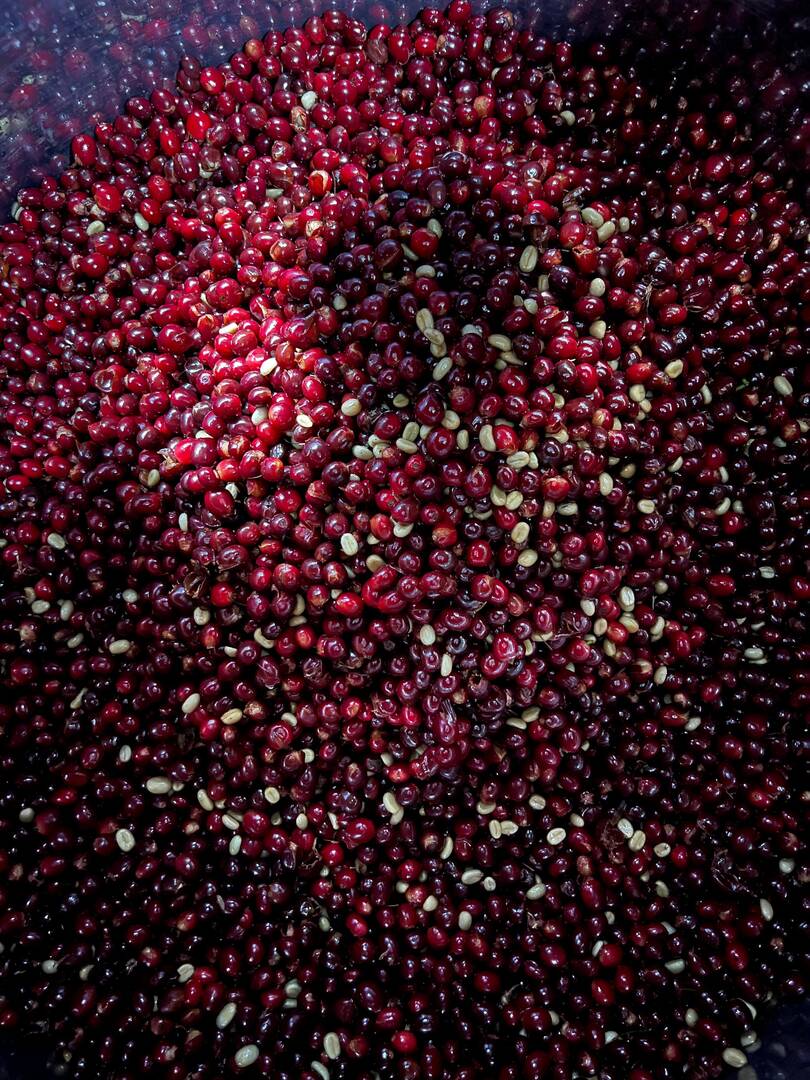
- Surgical Harvesting: Only cherries registering between 22 and 24 Brix degrees of sugar in the mucilage are manually harvested. The fruit must be physically pristine: any tear in the skin would break the cherry’s internal microenvironment, allowing external microbiota to colonize the sugars before autolysis occurs.
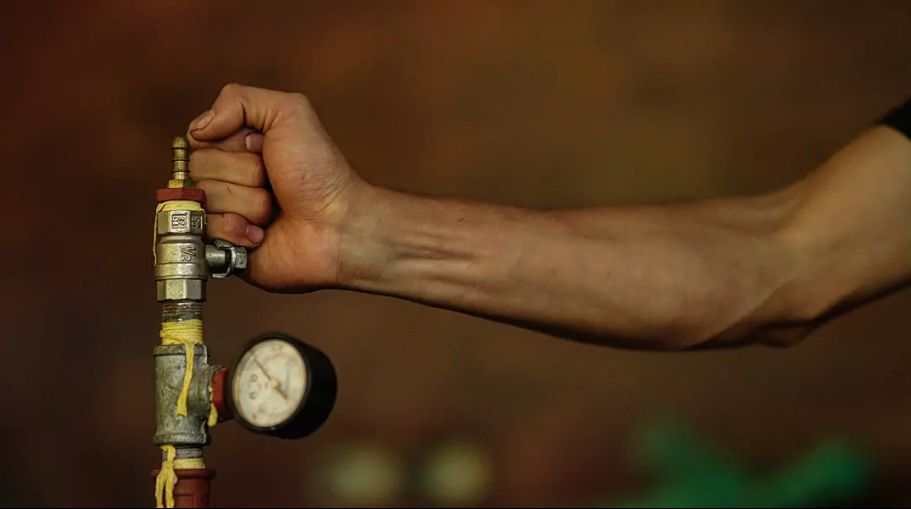
- Gas Purging and Pressurization: The cherries are placed gently into double-walled stainless steel tanks (for thermal control). Food-grade CO₂ is injected from the bottom of the tank, pushing oxygen upward to escape through a one-way relief valve. The purge continues until oxygen sensors register a 0% concentration.
- Cinetothermal Control: The tank temperature is strictly stabilized between 18°C and 20°C by circulating cold water through the external jacket. Keeping the temperature cool slows down the enzymatic metabolism, allowing a prolonged, ultra-clean fermentation that spans between 72 and 96 hours.
- Analytical Monitoring: Every 6 hours, liquid mucilage is drawn from the bottom valve of the tank to measure pH progression and residual Brix degrees. The fermentation is halted in a controlled manner when the pH reaches the critical threshold of 4.0 to 4.1.
- Slow-Motion Dehydration: Once the coffee is removed from the tank, drying is equally critical. The fermented cherries are moved to our exclusive climate-controlled dark room. Here, at a constant temperature of 18°C and a relative humidity of 50%, the coffee dries slowly for 15 days, followed by a resting phase in hermetic GrainPro bags for 10 days to homogenize the moisture before final milling.
Carbonic Maceration Parameters at Hacienda La Florida
Below are the physical-chemical variables we strictly monitor during a standard carbonic maceration batch:
| Control Variable | Target Value | Measurement Frequency | Sensorial Impact |
|---|---|---|---|
| Harvest Brix Degrees | 22° - 24° Bx | At cherry reception | Availability of substrate for autolysis |
| Oxygen Concentration | 0.0% | At sealing start | Ensures pure intracellular anaerobic metabolism |
| Tank Temperature | 18°C - 20°C | Continuous (thermal sensors) | Prevents over-fermentation and defective vinegary notes |
| Target Stop pH | 4.0 - 4.1 | Every 6 hours | Balance point between malic and lactic acidity |
| Process Duration | 72 - 96 hours | Timed | Intensity of aromatic expression and body |
| Dark Room Drying | 15 days | Daily (grain moisture) | Prevents grain cracking and stabilizes color |
Varieties: The Perfect Symbiosis with Our Terroir
Carbonic maceration does not react the same way across all coffee plants. Seed density and mucilage viscosity vary dramatically between varieties. At Hacienda La Florida, we have designed carbonic maceration protocols optimized for three of our most representative varieties:
Sidra
Sidra, a hybrid of Typica and Bourbon with an extraordinary Ethiopian lineage, is the perfect canvas for carbonic maceration. Its innate profile of jasmine and citrus fruits is amplified under cellular autolysis, resulting in a cup that bursts with notes of passion fruit, lychee, ripe mango, and a lingering floral perfume reminiscent of lavender and orange blossom. Its acidity transforms into a round malic experience, akin to biting into a crisp, sweet green apple.
Typica Mejorado
This variety, the pride of Ecuadorian specialty coffee, possesses a highly refined acid structure. By subjecting it to carbonic maceration, we domesticate its traditional bright citric acidity and give it a silky texture. The sensory descriptors shift toward honeyed citrus, white chocolate, peach in syrup, and an extremely long finish resembling sweet black tea. It is an auction-grade coffee celebrated for its elegance and balance.
Catucaí
A variety with a denser bean structure and abundant mucilage. Carbonic maceration in Catucaí maximizes glycerol production, resulting in a coffee with a dense, syrupy body. Its natural flavors of cocoa and hazelnut are dressed in rich layers of red berries, blueberries, and cherry liqueur. This profile was chosen by World Brewers Cup Champion Matt Winton for his winning performance in Milan 2021, highlighting the extraordinary synergy between processing, variety, and terroir.
“Specialty coffee has ceased to be a simple agricultural commodity to become an object of sensory design. Carbonic maceration allows us, through science and physical control, to map out the exact flavor profile we wish to find in the cup.” — Fabricio Coronel, Co-founder and Q-Grader.
Hacienda La Florida continues to explore the boundaries of coffee biochemistry. Each sealed tank represents our absolute dedication to quality—a testament that scientific precision and respect for the land can converge to create an unforgettable cup of coffee.
Back to Blog