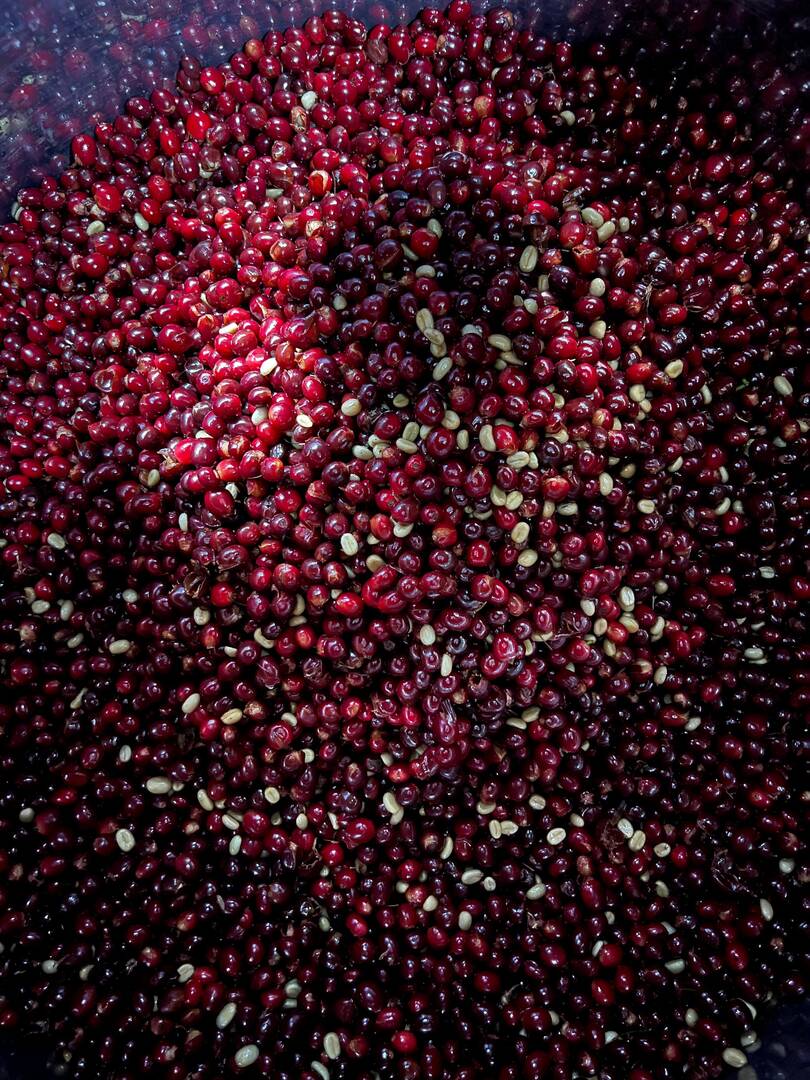
The long, meticulous journey of specialty coffee is often narrated through the poetry of flowering, the careful hand-harvesting of ripe cherries, and the complex mysteries of fermentation and drying. However, there is a final physical frontier where the commercial viability and ultimate excellence of the coffee are decided before export: dry milling. This high-precision engineering stage transforms dry parchment coffee (in washed and honey processes) or dried cherries (in natural processes) into “green” or “oro” coffee, ready for the roaster. At our dedicated processing facility in Malacatos, Loja, we treat dry milling as an uncompromising quality control discipline, where advanced technology and human expertise merge to guarantee a defect-free bean.
Cold Hulling: Safeguarding the Bean’s Lipid Structure
Before detailing the mechanical flow of the dry mill, it is crucial to address the thermodynamic principle guiding our entire operation: strict temperature control during hulling (trilla).
Hulling involves the mechanical removal of the bean’s protective outer layer (the parchment shell or the dried cherry skin) using friction and shearing forces. By its physical nature, friction generates thermal energy. An uncontrolled rise in temperature during this phase is one of the most catastrophic, yet least documented, mistakes in commercial coffee processing.
Specialty green coffee contains approximately 10% to 15% lipids (essential oils and fats rich in unsaturated fatty acids, such as linoleic acid). These lipids act as repositories for the volatile aroma precursors that express themselves as floral, citric, and fruit notes during roasting. If friction inside the huller elevates the bean’s temperature above 35°C (with an absolute maximum limit of 40°C), these essential oils begin to melt and migrate through the porous cell structure to the surface of the green bean.
Once on the surface, upon coming into contact with atmospheric oxygen and light, the lipids undergo a rapid oxidation reaction (rancidity). This physical damage dramatically shortens the green coffee’s shelf life, degrading its complex origin aromatics into flat, oily, paper-like off-flavors reminiscent of stale cardboard or jute bags.
To prevent this quality loss, we practice cold hulling at Hacienda La Florida. Our hulling machinery is calibrated to process lots at low feed rates and features integrated pneumatic extraction and forced-air cooling systems. This immediately dissipates frictional heat, keeping the green bean’s temperature aligned with the ambient room temperature (ideally below 25°C).
The Zero-Defect Processing Flow in Malacatos
At our dry mill in Malacatos, each microlot is processed individually through a sequential flow designed to refine and grade the beans based on their physical properties: size, density, and color.
1. Cleaning and Destoning (Pre-cleaning)
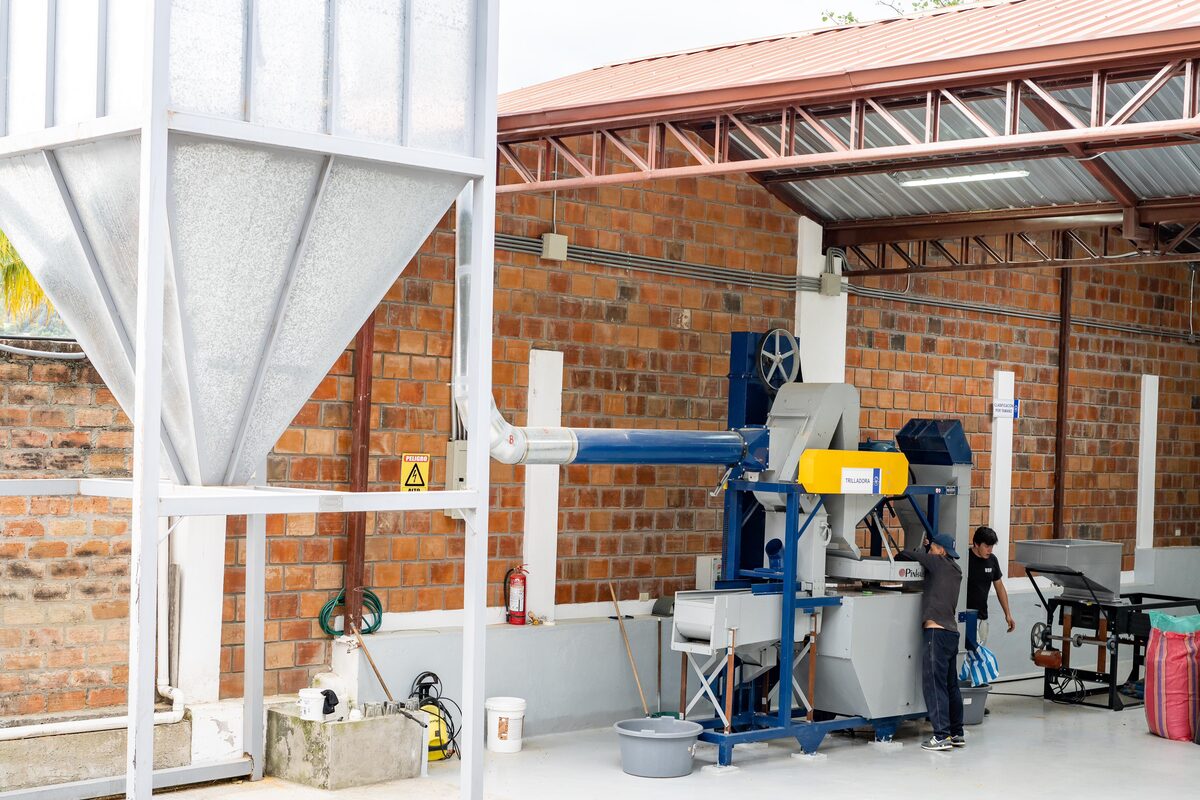
The dry parchment or cherry coffee arriving from the farm first passes through a pre-cleaner and destoner. Utilizing vibrating screens and pneumatic suction, the machine removes physical impurities (dust, small stones, twigs, leaves, or metal fragments) that could damage the hullers or contaminate the batch. In addition, magnetic separators capture any residual metallic particles, ensuring physical purity from the very start.
2. Calibrated Hulling (Decapsulation)
The clean coffee enters the precision huller. The machine is calibrated specifically for each lot based on its variety and processing method. The tough skin of a natural coffee (dried cherry) demands a different torque and physical pressure than the brittle parchment of a washed coffee. The removed husks are immediately vacuumed away via cyclones and compacted to be used as organic fuel or compost on the farm, while the naked green beans advance, cool, toward grading.
3. Screen Sorting (Size Grading)
Sizing consistency is vital for the specialty roaster. If a batch contains highly variable bean sizes, the roast will be uneven: small beans will over-roast or burn, while large beans will remain under-developed in the core, ruining the sensory balance of the cup.
To solve this, the green coffee passes through a tower of vibrating horizontal screens fitted with perforated metal plates. We separate the coffee into specific size grades, typically from screen size 14 up to 18 or 19. For our export-grade specialty lots, we select only the beans retained on screens 15 to 18/19, ensuring an incredibly uniform physical distribution.
4. Density Sorting (Gravity Table)
Bean size is not always an indicator of chemical maturity. A bean can be large but hollow or porous due to pest damage or a nutrient deficit during the plant’s fruit-filling stage. Therefore, density is the most important quality metric. Dense beans contain a higher concentration of sugars, organic acids, and flavor precursors.
To separate them, we use a gravity table. The machine consists of an inclined, vibrating mesh platform through which a constant flow of pressurized air is blown from underneath, creating a “fluidized bed.” The beans behave like particles floating in a fluid: the heaviest, densest beans (Grade 1) sink toward the mesh and, due to the vibration, travel up the incline toward the upper discharge outlet. The lighter, porous, or insect-damaged beans float on top of the dense ones and slide down the slope, where they are separated out and excluded from the specialty export lot.
5. Full-Spectrum Optical Sorting
To achieve a “zero-defect” cup, human eyes are supported by optoelectronic technology. The density-sorted green coffee is fed into our optical sorter.
The machine drops the beans in a uniform curtain through a reading chamber where high-speed sensors and full-color cameras analyze each individual bean in milliseconds. The sorter is programmed to detect subtle color deviations—such as black beans (extreme fermentation), sour beans (acidic), or beans discolored by mold or insect damage. Upon identifying a defective bean, a pneumatic ejector fires a precise blast of compressed air to shoot the damaged bean out of the main stream without interrupting the flow.
6. Final Manual Selection by Expert Hands
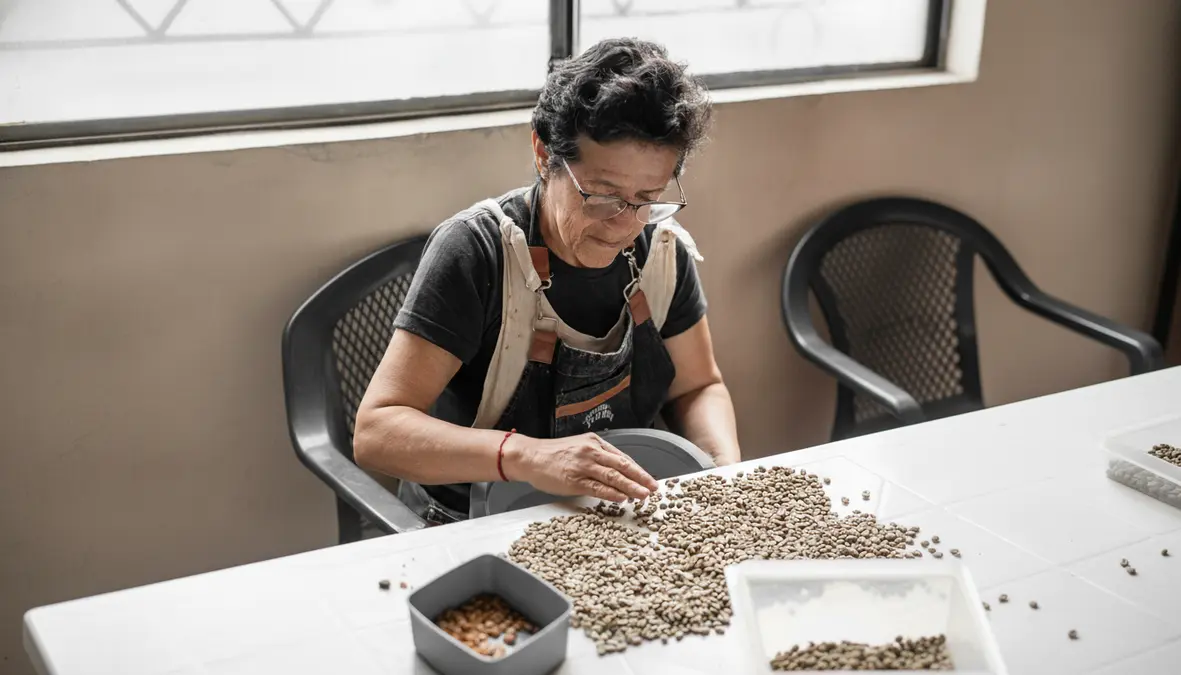
While optical sorting is efficient, the human element remains irreplaceable for final quality assurance. The green coffee moves along a speed-controlled conveyor belt, where a team of expert women from the Malacatos community performs a meticulous hand-sorting process, bean by bean.
Their work focuses on removing any remaining physical defects and ensuring the lot meets the strict standards of the Specialty Coffee Association (SCA) for Grade 1 Specialty Green Coffee: zero primary defects (such as full black or full sour beans) and fewer than five secondary defects in a representative 350-gram sample. This detailed labor provides vital social and technical value to our supply chain.
Preservation: Vacuum Packaging
Green coffee is a porous, living product that constantly interacts with its environment. During storage at the port and long maritime voyages to roasters in Europe, Asia, or North America, the coffee is exposed to drastic temperature fluctuations, high relative humidity, and foreign odors inside cargo containers. If unprotected, the green beans will absorb moisture, lose their volatile aroma precursors, and arrive at their destination flat and aged.
At Hacienda La Florida, we have eliminated this risk by replacing traditional jute bags with barrier packaging technologies. For our premium lots and auction microlots, we use vacuum packaging.
The sorted green coffee is poured into co-extruded, high-density, multi-layer plastic bags. Using an industrial vacuum sealer, the air is evacuated, and the bag is hermetically sealed, compacting the coffee into rigid bricks that we call “panelitas”.
This vacuum sealing achieves three fundamental goals:
- Halts Cellular Respiration: By removing oxygen (O₂), we stop the green bean’s metabolism and cellular senescence, slowing down the aging process.
- Impenetrable Moisture Barrier: The bean is isolated from the ocean’s ambient humidity, keeping its moisture stabilized between 10% and 12% during the entire voyage.
- Protection Against Odors: It prevents the coffee from absorbing any foreign smells from the cargo ships.
When a roaster in Tokyo or Berlin opens a box of Hacienda La Florida panelitas months after harvest, the green coffee is in the exact same state of freshness and chemical balance as the day it left our climate-controlled adobe warehouse in Loja.
The Seal of Excellence
Dry milling at Hacienda La Florida is the final step that consolidates and protects all the agronomic efforts in the field and the scientific precision applied in wet processing and drying. It is not merely an industrial cleaning process; it is an ethical and technical protocol that guarantees that every cup served anywhere in the world remains a faithful tribute to our soil, our altitude, and our passion for perfection.
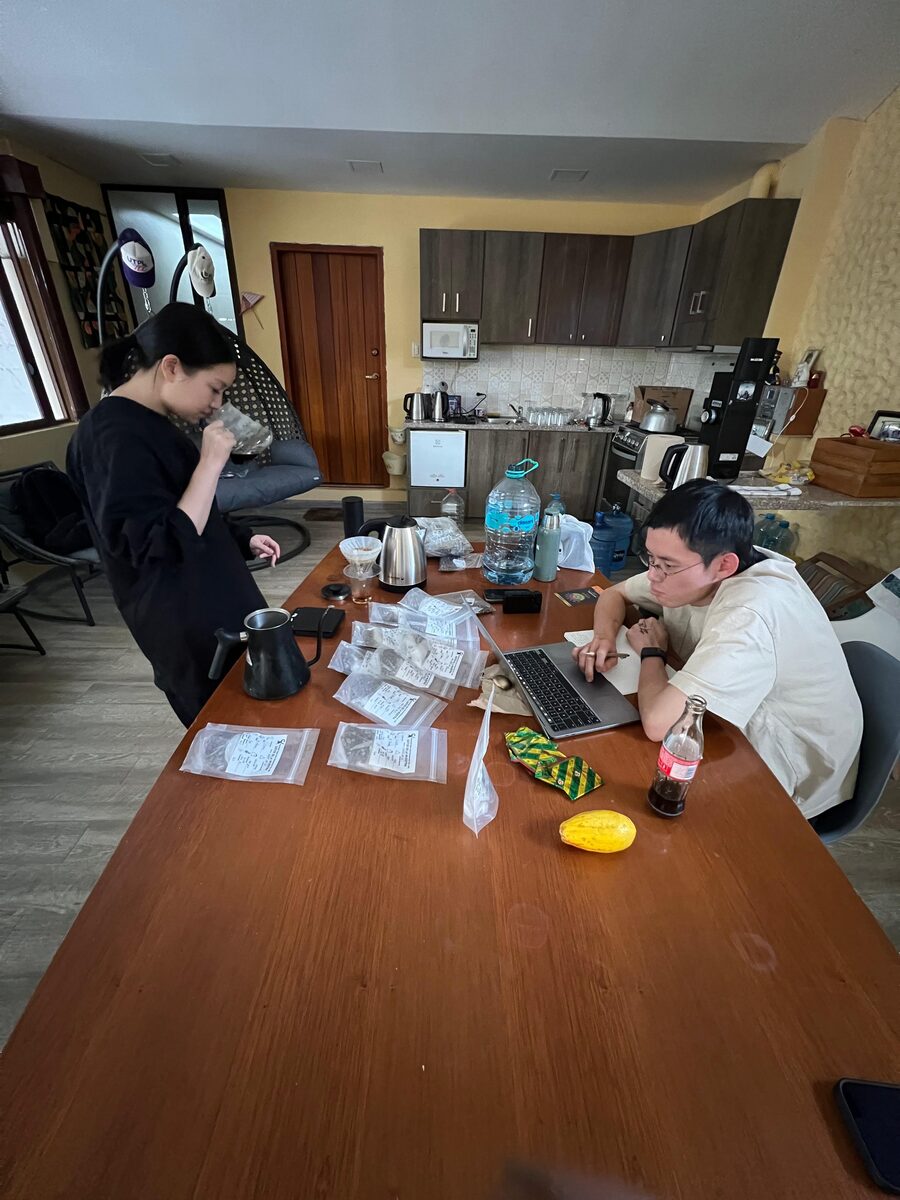
Dry milling is the culmination of post-harvest processing. Learn about the previous stages that make this precision possible: read our guide on the science of drying, the role of our Q Grader cupping laboratory in physical analysis, and the importance of manual selection work in the final consistency of our specialty coffees.
Back to Blog