The Invisible Language of Flavor: The Objectivity of the Cup
In mass consumption, the taste of a beverage is often considered a subjective preference. “There is no accounting for taste,” as the popular adage goes. However, in the universe of high-end specialty coffee, this maxim does not apply. Here, flavor is a measurable discipline, a standardized language, and a rigorous science. When a specialty roaster in San Francisco, Tokyo, or Copenhagen buys an exclusive microlot from thousands of miles away, they do not purchase an abstract promise. They buy a precise flavor profile and a guaranteed physical quality standard that has been evaluated under the strictest parameters in the world.
To achieve this universal understanding between the farm and the roaster, the global industry relies on sensory evaluation and the SCA Q Grader certification. At Hacienda La Florida, this rigorous scientific methodology is not an external service we hire for occasional audits; it is the central axis of our daily operations. Led by the Coronel Pilco brothers, Fabricio and Ramiro, both of whom hold active certifications as Q Graders, we apply the science of the palate at every step of the way.
What is a Q Grader? The Path to the Title
The Q Grader certification, managed globally by the Coffee Quality Institute (CQI) and aligned with the standards of the Specialty Coffee Association (SCA), is widely considered the equivalent of a high-end wine sommelier credential, but with a much more rigorous technical and scientific focus.
To obtain and maintain this prestigious title, professionals must pass a grueling six-day program that includes 22 highly demanding practical and theoretical exams. A palate calibrated as a Q Grader must be capable of isolating and quantifying minimal sensory stimuli:
- Sensory Skills: Accurately identifying the presence and concentration of sweet, sour, and salty solutions dissolved in distilled water, both individually and in complex mixtures.
- Blind Triangulations: Identifying the odd cup in groups of three samples, performed under a dim red light in the cupping laboratory to eliminate any visual bias that roasting color might generate.
- Organic Acids Identification: Detecting the addition of specific acids (citric, malic, phosphoric, acetic) in coffee cups and justifying their presence based on the sensory impact they produce.
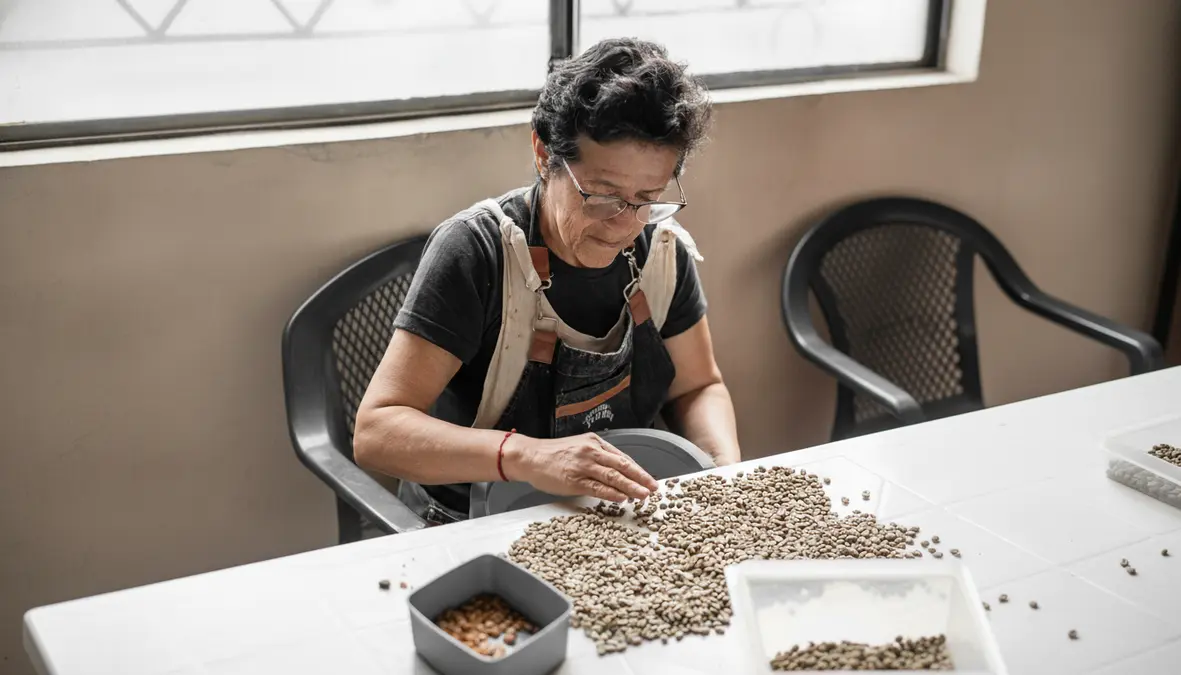
- Green and Roasted Coffee Grading: Detecting and classifying primary and secondary physical defects in green coffee samples, as well as identifying “quaker” beans in roasted coffee samples.
- Regional Cupping Tests: Evaluating and sensorially profiling coffees from Africa, Asia, Central America, and South America, demonstrating a deep knowledge of global profiles.
Since the certification requires mandatory calibration retesting every three years, Q Graders keep their palates in constant tune with the trends and demands of the international market.
The Malacatos Laboratory: Absolute Post-Harvest Control
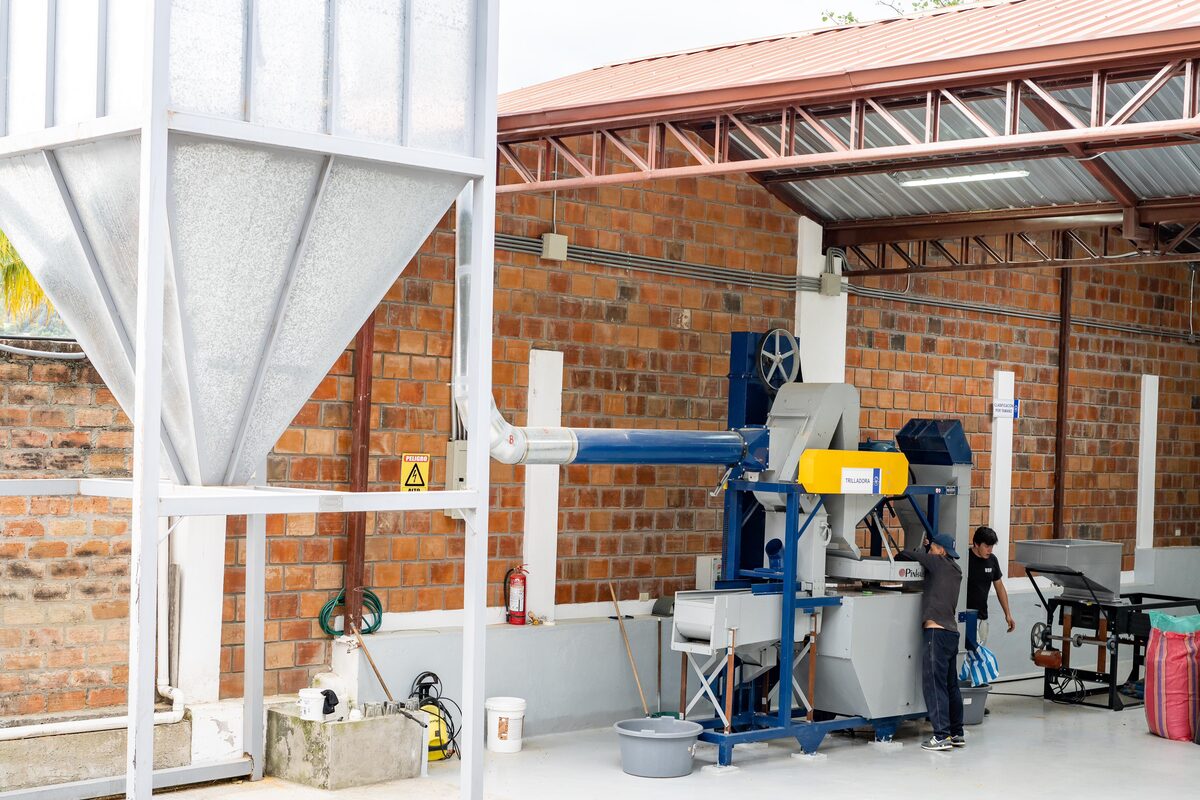
Having one Q Grader on a coffee farm is an operational luxury; having two is an absolute guarantee of consistency. Fabricio and Ramiro Coronel apply their scientific training from the Zamorano Agricultural School and their Q Grader credentials in the laboratory of the Malacatos dry mill, inaugurated in July 2025.
Each microlot harvested at Hacienda La Florida undergoes a rigorous three-phase quality control protocol before being approved for commercialization:
| Control Phase | Technical Procedure | Operational Objective |
|---|---|---|
| 1. Physical Bean Evaluation | Measurement of water activity and moisture percentage using calibrated hydrometers (guaranteeing a range of 10% to 12%). Counting of physical defects in representative 350-gram green coffee samples. | Ensure the stability of the coffee during long-term storage and prevent the development of fungi or mold. |
| 2. Strict Sample Roasting | Use of a laboratory sample roaster with digital control of temperature curves. Roasting must be extremely light and completed in a range of 8 to 12 minutes, with a specific Agtron scale color value. | Prevent roasting-derived flavors from masking the true potential and defects of the seed. |
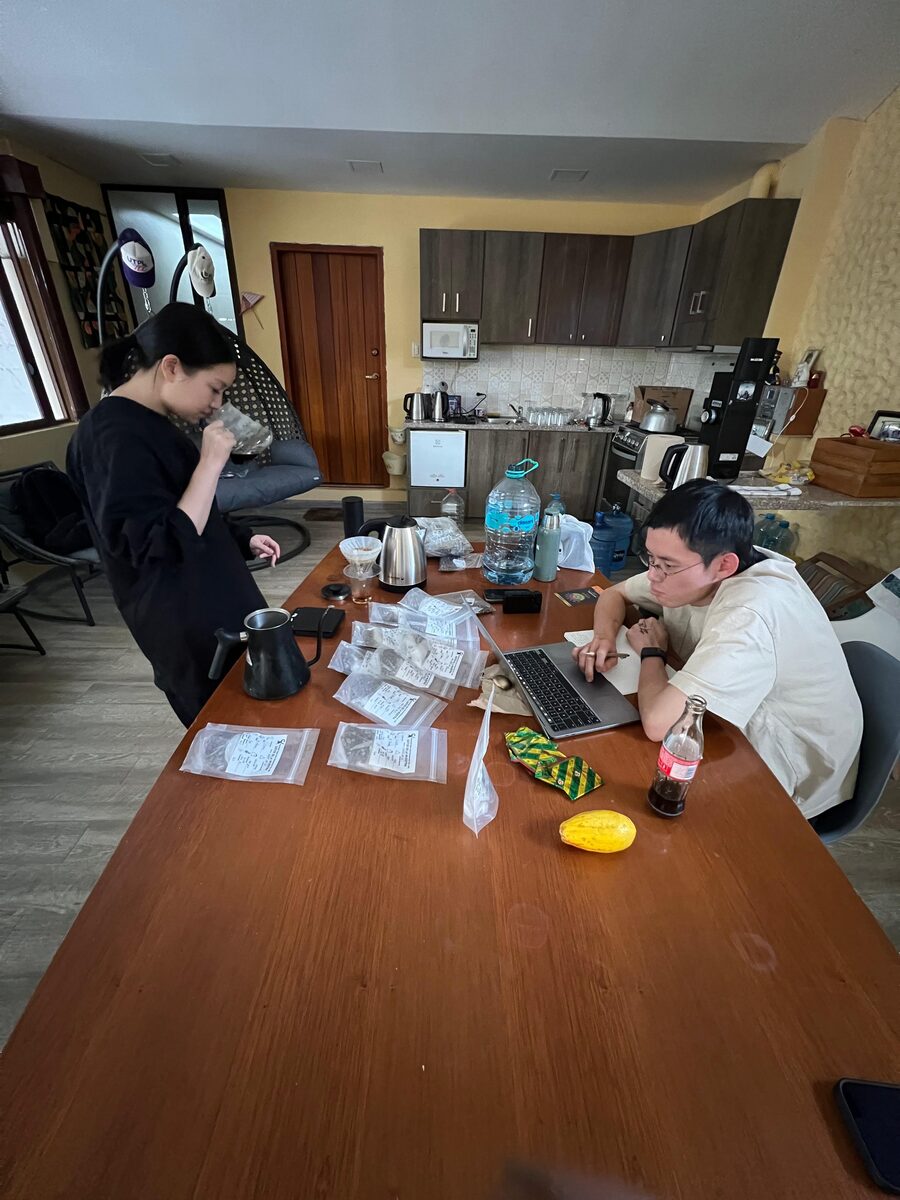
| 3. Cupping under SCA Protocol | Preparation of 5 cups per sample with a ratio of 8.25 grams of coffee per 150 ml of water at 93°C. Systematic evaluation on a cupping sheet of ten attributes: fragrance/aroma, flavor, aftertaste, acidity, body, balance, uniformity, clean cup, sweetness, and overall score. | Issue an objective numerical score and a detailed description of the flavor profile for decision-making. |
By cupping each lot at multiple stages of drying and storage, the Coronel brothers can determine with scientific precision which plots of the farm and which anaerobic fermentation or carbonic maceration profiles are producing the best results in the cup. If a lot does not reach the minimum score required for our premium categories, it is immediately separated and destined for local markets, ensuring that the brand exports only excellence.
Standardizing the Language of Coffee: The Link with the Buyer
The true power of the Q Grader certification does not lie in the ability to detect exotic flavors in coffee, but in the ability to standardize communication with specialty roasters in the northern hemisphere.
When Fabricio and Ramiro write a cupping sheet for a Sidra lot and award it 89 points, describing a “bright malic acidity similar to green apple, floral notes of jasmine, and a dense, silky body with a honey finish,” a buyer in Canada, the UK, or the USA knows exactly what to expect. The technical sheet acts as a quality contract. This consistency in evaluation builds long-term commercial trust, allowing Direct Trade sales to occur smoothly and at premium prices that value agricultural excellence.
Sensory evaluation performed by Q Graders at Hacienda La Florida is the bridge that unites the agronomy of the soil in Sozoranga with the refined experience in the best coffee shops in the world.
Back to Blog