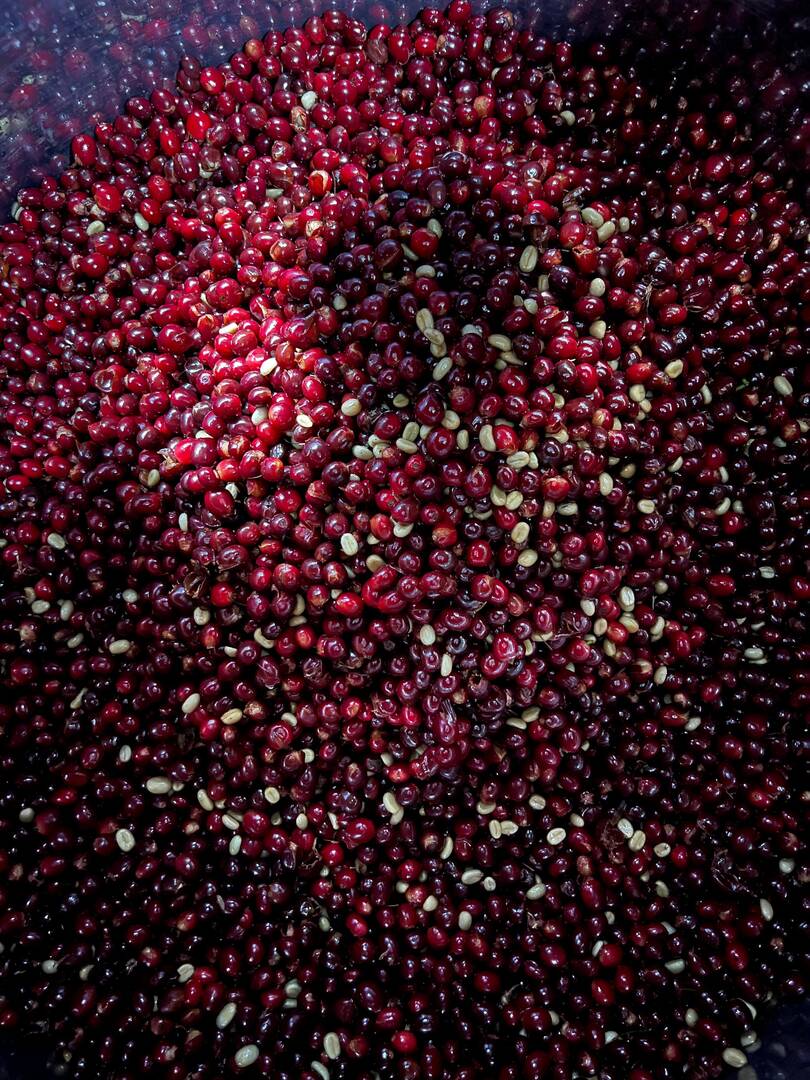
At the dawn of the specialty coffee revolution, fermentation was viewed through a purely functional lens: a mere mechanical step designed to degrade the pectin-rich mucilage to clean the seed. However, as science and gastronomy converge, we understand that fermentation is the true crucible of coffee flavor. During this critical stage, the complex chains of sugars and proteins in the mucilage break down, transforming into the acids, alcohols, and aromatic esters that will dictate the coffee’s organoleptic identity in the cup.
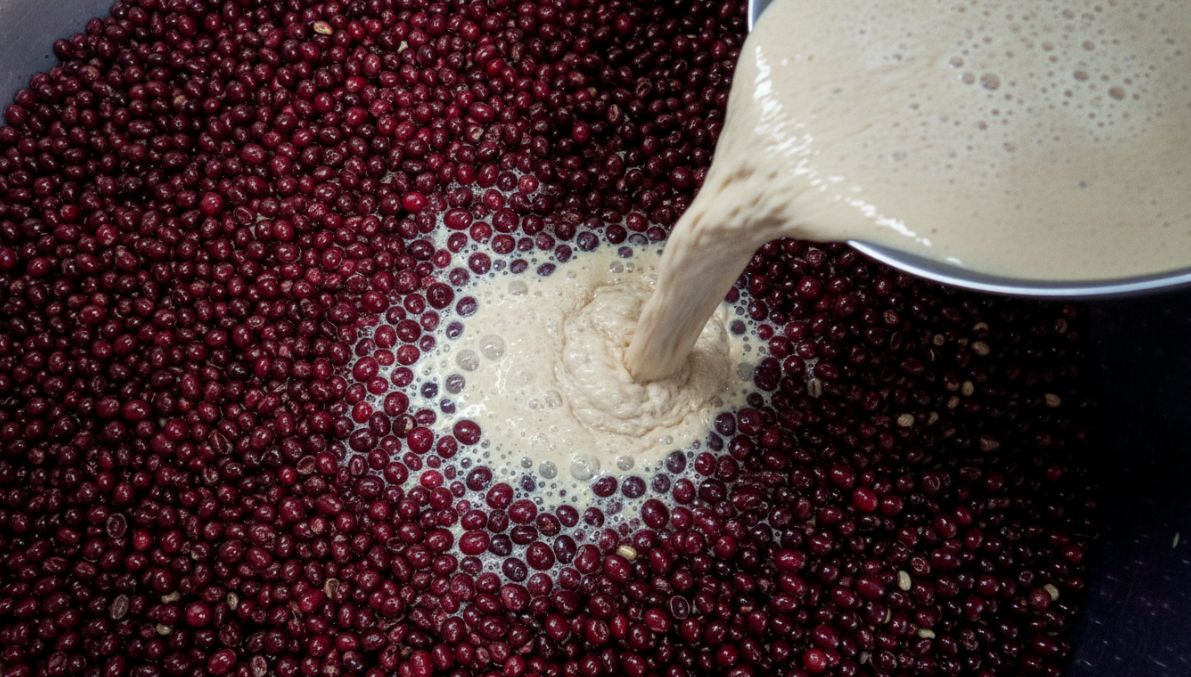
At Hacienda La Florida, in the highlands of Loja, Ecuador, we have decided to move beyond spontaneous fermentations and wild microbiota. Seeking to expand the sensory boundaries of Ecuadorian coffee, we have stepped into applied microbiology through yeast inoculation and industrial physics using isobaric stainless steel tanks. This is the chronicle of an international alliance that merges Andean agronomy with cutting-edge design.
The Taiwan Connection: Process Design with Tri-Up Coffee
Yeasts are microscopic unicellular fungi with extraordinary metabolic capacity. Hundreds of strains of wild yeasts and bacteria naturally coexist on coffee cherries. While this native microflora adds complexity, its behavior is inherently variable and unpredictable, affected by rain, dust, and daily temperature fluctuations.
To overcome this randomness and design specific flavor profiles, we partnered with Tri-Up Coffee, a pioneering green coffee importer from Taiwan and a world leader in precision fermentation design. This collaboration allowed us to access isolated yeast strains selected specifically for their ability to enhance floral and fruit descriptors in high-acidity environments.
Over multiple harvests, we have experimented with two major families of microorganisms:
- Wine Yeast Strains (Saccharomyces cerevisiae): Specifically selected from wine regions, these strains metabolize mucilage sugars to produce high levels of fine lactic and malic acids. This gives the coffee a bright, clean acidity reminiscent of dry white wine, alongside remarkable aromatic clarity.
- Beer Yeast Strains (Ale and Saison): Characterized by high alcohol tolerance and a heterofermentative metabolism that generates sweet esters. Their application translates into lush cups loaded with stone fruits (apricot, peach) and highly appealing spicy notes.
“By inoculating a selected strain in massive concentrations, we ensure it completely dominates the mucilage substrate. Wild yeasts are sidelined, allowing us to guide the fermentation with almost pharmaceutical precision toward the exact organoleptic profile we have planned.”
The Physics of Pressure: Engineering in Isobaric Tanks
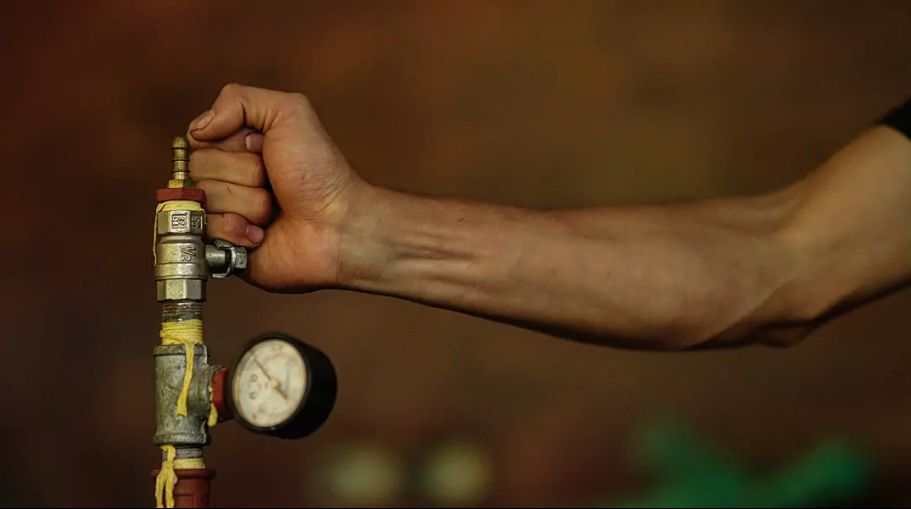
Yeast inoculation is only half of the equation. To provide these selected strains with the perfect working environment, we at Hacienda La Florida decided to borrow technology from the brewing industry and installed isobaric stainless steel tanks. These high-pressure vessels, built with double-walls and counterweighted relief valves, withstand internal pressures that would rupture any traditional plastic container.
Why subject coffee fermentation to controlled pressure? The answer lies in the physics of gases and their interaction with liquids, governed by Henry’s Law.
As yeasts consume glucose and fructose in the mucilage, they release large volumes of carbon dioxide (CO₂) and volatile aromatic esters. In an open tank, these valuable gaseous aromatic compounds evaporate and dissipate into the farm’s atmosphere. In a sealed isobaric tank, by preventing the gas from escaping, the pressure in the tank’s headspace begins to rise gradually until it stabilizes in a range of 1.5 to 2.0 bar.
Higher pressure in the tank’s headspace increases the solubility of aromatic gases and esters back into the liquid (Henry’s Law).
According to Henry’s Law, the solubility of a gas in a liquid is directly proportional to the partial pressure of that gas above the liquid. As the internal pressure rises, the carbon dioxide and volatile esters synthesized by the yeasts are forced to dissolve back into the liquid mucilage surrounding the beans. This high liquid concentration generates an osmotic pressure difference that drives the aromatic molecules to traverse the micro-perforations of the wet parchment and penetrate directly into the porous cellular structure of the coffee bean’s endosperm.
The result is the permanent fixation of flavor precursors within the molecular structure of the seed—a phenomenon impossible to replicate in standard atmospheric fermentations.
Technical Parameters of Isobaric Fermentation
Managing an isobaric tank requires strict control of both mechanical and biological variables to guarantee operational safety and coffee quality:
| Operating Parameter | Target Range | Control Tool | Impact on the Cup |
|---|---|---|---|
| Tank Pressure | 1.5 - 2.0 bar | Pressure gauge and relief valve | Forces ester penetration into the bean |
| Internal Temperature | 15°C - 17°C | Glycol jacket and thermostat | Slows yeast metabolism, preserving clarity |
| Inoculation Dosage | 10 grams of active dry yeast per 100 kg of cherries | Rehydration in warm water (35°C) before inoculation | Ensures immediate microbial dominance |
| Target Stop pH | 3.8 - 4.0 | Isobaric sampling and pH meter | Defines malic acidity and prevents over-fermentation |
| Process Duration | 72 - 96 hours | Timer tracking | Degree of absorption and flavor saturation |
Cup Impact: Sensory Design Profiles
Lots processed through yeast inoculation and pressurized isobaric fermentation stand out on the cupping table for their crystalline cleanliness and the astonishing clarity of their descriptors.
Washed Typica Mejorado with Wine Yeast
Our Typica Mejorado lots subjected to this process reveal themselves in the cup with sublime elegance. The profile presents a sparkling brightness similar to champagne or dry white wine, accompanied by delicate notes of lavanda, orange blossom, and jasmine tea, with a highly defined flavor clarity on the palate. The isobaric pressure fixes these floral aromas so deeply that they resist roasting, maintaining their freshness for much longer.
Natural Bourbon / Sidra with Tropical Ale Yeast
When we apply Ale-type beer yeasts to natural processes of Sidra or Bourbon, the sensory profile takes a turn toward exuberance. The coffee bursts with intense aromas of ripe mango, passion fruit, and dried pineapple, supported by a dense and creamy body reminiscent of milk chocolate and caramel.
“Specialty coffee has entered an era where we no longer depend solely on what the weather gives us during harvest. Through applied microbiology and physics, we can sculpt flavor with unprecedented clarity, creating truly singular sensory experiences.” — Fabricio Coronel, Co-founder and Q-Grader.
Hacienda La Florida, in collaboration with its global partners like Tri-Up Coffee, consolidates its position at the forefront of coffee innovation. Isobaric fermentation is not a mere industrial technique; it is the scientific bridge where the genetic potential of our Andean lands is refined to delight the most demanding palates in the world.
Back to Blog