The World’s Rarest Coffee Landscape
When specialty coffee enthusiasts and professionals picture the coffee-producing regions of Ecuador, they almost instinctively imagine mist-shrouded Andean slopes. Their minds project images of lush, humid cloud forests where water drips continuously from branches laden with orchids, bromeliads, and moss. Yet, on the country’s southern frontier bordering Peru lies a radically different ecosystem—one that is even more extraordinary, fragile, and far less known to the global coffee community.
The Tropical Dry Forest of Southern Ecuador is one of the most unique and threatened biomes on the planet. Ecologists estimate that less than 2% of its original extension remains intact across Latin America, making this dry forest more endangered than the Amazon basin. In recognition of its high concentration of endemic species and the local communities that coexist with this shifting landscape, UNESCO designated the region as the Bosque Seco Biosphere Reserve in 2014.
Within this biome, where desert-like droughts alternate with torrential seasonal rains, an extraordinary coffee terroir has evolved. Here, coffee is not grown under the easy comfort of constant humidity. Instead, it is cultivated under a regime of botanical adaptation and biological resilience that deeply shapes every single bean.
This is not cloud forest coffee. This is coffee born from one of the rarest forest ecosystems on Earth.
The Tumbesian Dry Forest: A Global Biodiversity Hotspot
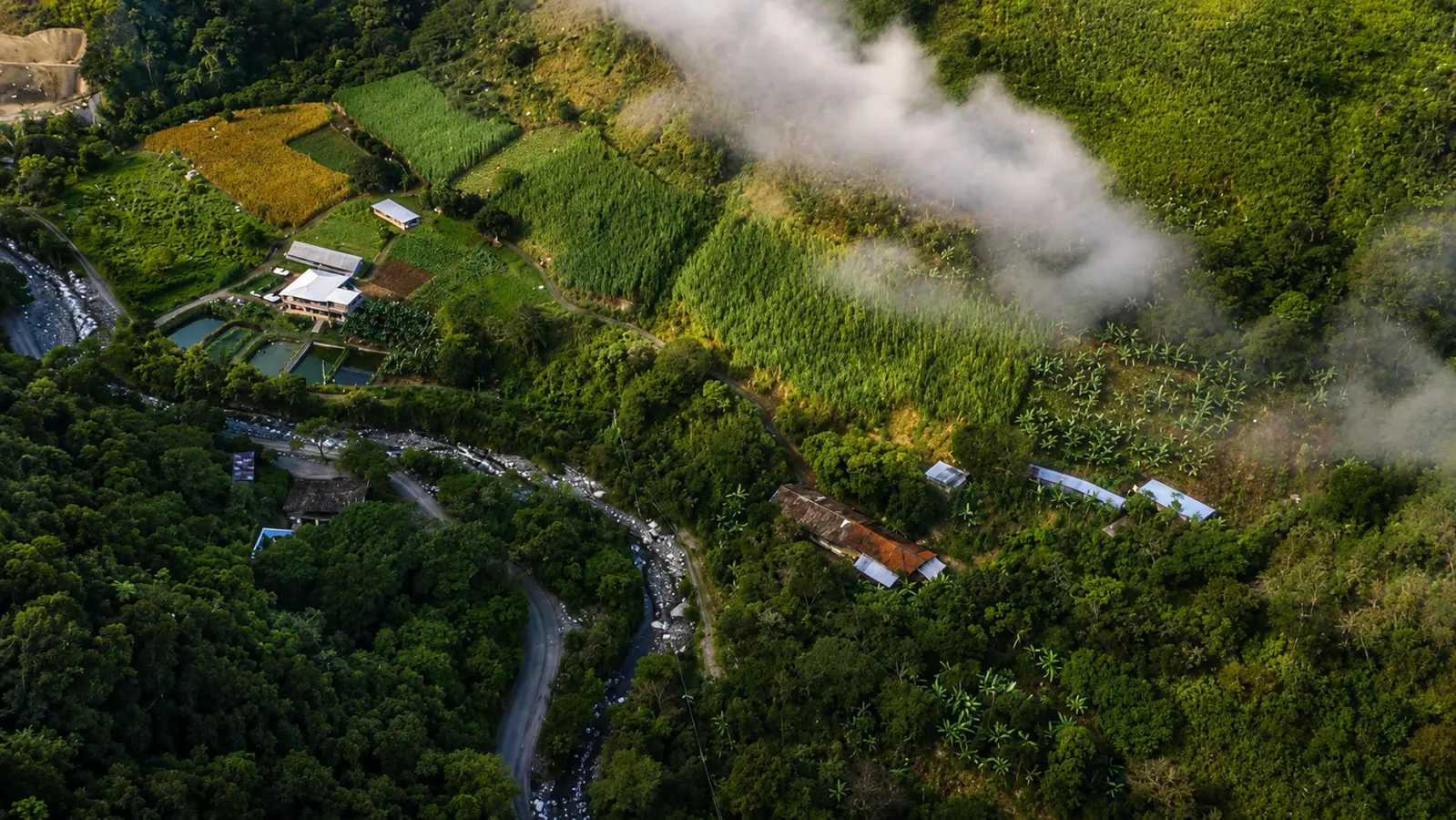
Hacienda La Florida is located in the Sozoranga canton, Loja province, at the geographical heart of the Tumbesian Dry Forest. This biogeographic province extends across southwestern Ecuador and northwestern Peru. Spanning approximately 135,000 km², the Tumbesian Region is recognized internationally as one of the world’s most critical biodiversity hotspots due to its extraordinary concentration of endemic species found nowhere else on Earth.
The biological richness of this ecosystem is exceptional:
- Trees and shrubs: Scientists have documented 219 botanical species, 19 of which are strictly endemic to the region.
- Birds: Nearly 500 bird species are recorded, with 84 species endemic to the Tumbesian Region.
- Mammals: The forest shelters 142 mammal species, showing an impressive 38% endemism rate (54 exclusive species).
- Bats: There are 8 globally threatened bat species whose survival is heavily restricted to the valleys and canyons of this dry forest.
In the neighboring canton of Zapotillo, scientific surveys have documented 184 bird species, including 49 Tumbesian endemics and 11 globally threatened species. Remarkably, this small area alone shelters 83% of all endemic birds recorded within Ecuador’s Tumbesian Dry Forest, despite representing only a tiny fraction of the biome’s total land area.
For birdwatchers, conservationists, and green coffee buyers alike, few coffee regions in the world present such an intimate and direct relationship between wildlife conservation and high-end agriculture.
The Bosque Seco Biosphere Reserve: Seven Cantons, One Living Landscape
The UNESCO Biosphere Reserve is not a fenced, uninhabited national park. Instead, it is a living mosaic of agricultural lands, cultural heritage, and conservation zones spanning seven cantons in southwestern Loja Province. These local jurisdictions are formally united under the Mancomunidad Bosque Seco to coordinate the protection of this shared natural heritage.
The seven constituent cantons are:
- Sozoranga (where our estate, Hacienda La Florida, is located)
- Macará
- Paltas
- Celica
- Pindal
- Puyango
- Zapotillo
Together, these cantons manage and protect more than 500,000 hectares of tropical dry forest. Each canton contributes its own ecological identity to the region. For instance, Zapotillo is internationally famous for the spectacular annual blooming of the Guayacán trees (Handroanthus chrysanthus). Once a year, just days after the first rains of the wet season fall, thousands of hectares of dry forest wake up simultaneously, transforming the grey, apparently lifeless landscape into a vibrant golden sea of yellow flowers. This natural spectacle lasts only a few days before the blossoms drop, giving way to fresh green leaves.
Meanwhile, the remaining cantons—including Sozoranga, Macará, Celica, Paltas, Pindal, and Puyango—share a historic agricultural tradition that defines their local economies: they are all specialty coffee-producing territories. This creates a perfect symbiosis. Coffee farms act as biological corridors connecting fragmented patches of native forest, allowing birds and mammals to move freely, while the native forest provides pollinators and natural pest control that directly benefit the coffee plantations.
A Climate That Challenges Coffee—and Rewards Quality
The defining factor behind the flavor profile of coffee grown in the Dry Forest is the region’s highly seasonal climate. Unlike the humid northern coffee regions of Ecuador that receive rainfall throughout the year, Sozoranga experiences a dramatic meteorological contrast.
Annual rainfall is scarce, ranging between 300 and 700 mm, and is concentrated almost entirely within a short winter rainy season. Subsequently, the forest enters a severe and prolonged dry season that lasts for approximately five months. During this period, solar radiation is intense, relative humidity drops significantly, and dry winds sweep across the hills.
For coffee bushes (Coffea arabica), this environment represents a state of controlled environmental and water stress. Instead of growing continuously throughout the year, the coffee trees regulate their biological cycles:
- Dormancy: During the dry season, the shrubs enter a state of vegetative rest. The plant stops producing new leaves and focuses its internal resources on basic survival.
- Sugar Concentration: As vegetative growth slows, carbohydrates and sugars synthesized during the sunny months are stored within the plant tissues rather than being consumed for leaf development.
- Slow Maturation: At Hacienda La Florida’s altitude of 1,500 to 1,700 masl (with select lots reaching 1,800 masl), the mountain’s temperature gradient produces warm days and cool nights. This extends the ripening period of the coffee cherries by several weeks compared to lower elevations.
This slow, seasonal rhythm translates directly into cup quality: a greater accumulation of complex sugars, exceptional cell density in the green beans, structured acidity, and a deep aromatic complexity that stands out immediately on the cupping table.
A Landscape Shaped by Botanical Adaptation
The flora of the Dry Forest is a living showcase of evolutionary resilience. The plants surrounding our coffee fields have developed remarkable adaptations to survive seasonal water scarcity:
- Palo Santo (Bursera graveolens): Famous for its highly aromatic wood, this tree sheds its leaves during the dry season, photosynthesizing directly through its green bark to conserve water.
- Ceiba (Ceiba trichistandra): The giants of the dry forest, featuring swollen, green-tinted trunks that store water, and seeds wrapped in a cotton-like wool that is dispersed by the wind.
- Guayacán: Which synchronizes its blooming with the arrival of water to ensure massive pollination.
Local wildlife is fully integrated into these natural cycles. Howler monkeys inhabit the canopy in the estate’s humid ravines, while white-nosed coatis (Nasua narica) forage on the forest floor for insects and fallen fruits. More than 40 bird species recorded on the boundaries of Hacienda La Florida interact constantly with the shade-grown coffee trees, providing natural pest control by feeding on harmful insects. This reduces the need for synthetic chemical pesticides to zero.
Coffee and Conservation: Hacienda La Florida’s Commitment
For the Coronel Pilco family, environmental conservation is not a marketing catchphrase; it is the core of their business model. Hacienda La Florida spans a total of 130 hectares, of which only 7 to 8 hectares are dedicated to specialty coffee production. The rest of the property is a diversified agricultural mosaic, featuring the active conservation of 87 hectares of primary virgin forest (commercially rounded to “100+ hectares protected”).
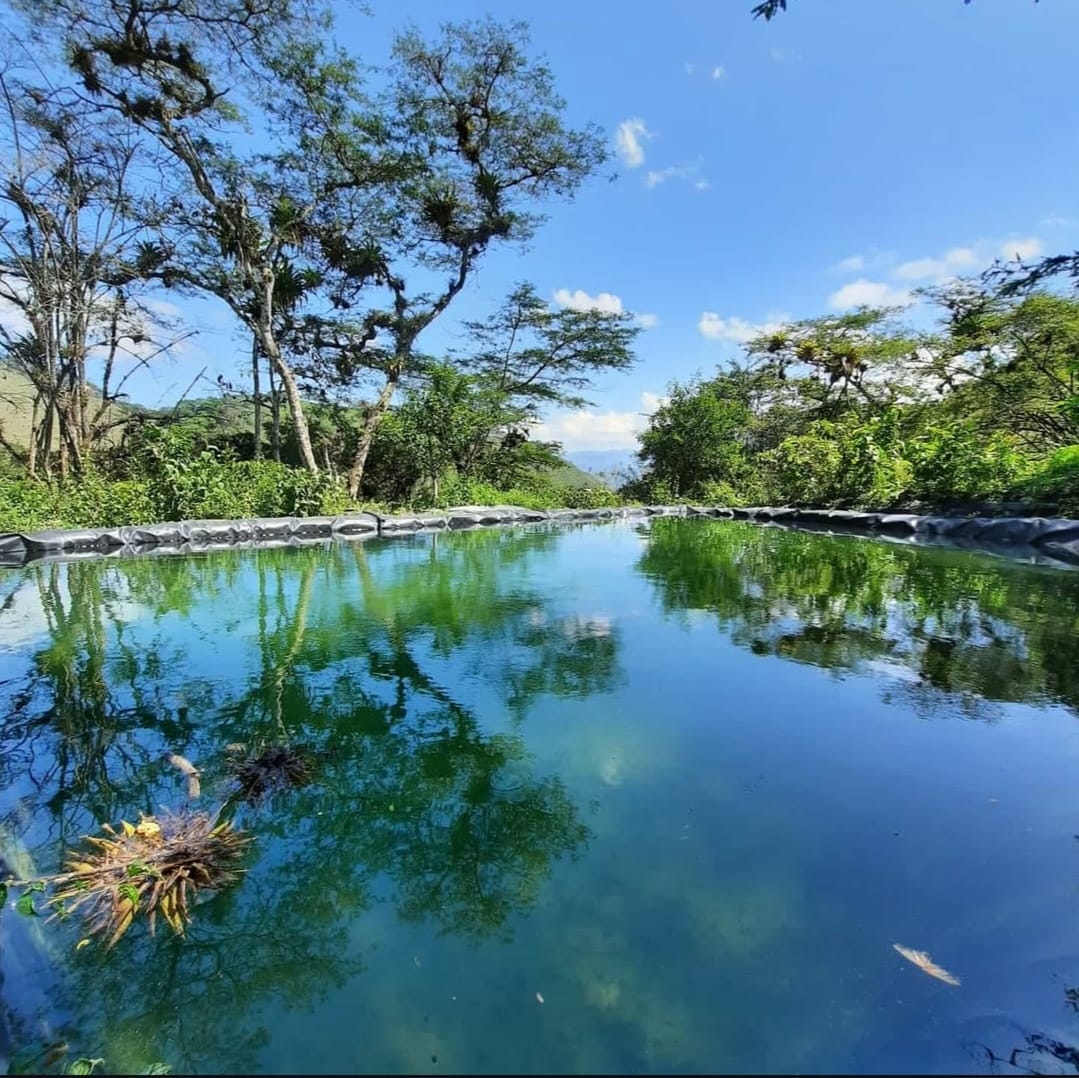
This protected forest is crucial because it acts as a watershed sponge, capturing moisture from Andean mists to feed the natural springs and streams that the farm relies on for domestic use and selective irrigation during the dry months.
The Loja Dry Forest is considered by biologists to be the best-preserved dry forest fragment in Ecuador, showing conservation levels far superior to similar areas in the provinces of Manabí, Guayas, or El Oro. However, pressure on this ecosystem remains relentless: approximately 71 km² of dry forest disappear each year in Ecuador due to cattle farming and slash-and-burn agriculture.
By sourcing specialty coffee from producers who actively protect the dry forest, international roasters and consumers directly fund the preservation of these lands. This makes high-quality coffee production one of the most economically viable conservation tools for the region.
The Sensory Signature of the Dry Forest
The terroir of Sozoranga, shaped by this convergence of dry forest, high altitude, and volcanic-sedimentary soils, gives our coffee a unique sensory signature. In the cup, this ecosystem expresses itself through:
- Outstanding bean density: Extremely compact green beans that roast evenly and transfer heat efficiently.
- Structured, complex acidity: Featuring a bright presence of malic and phosphoric acids.
- Refined sweetness: Intense notes reminiscent of panela (unrefined cane sugar), sugar cane syrup, and caramelized sugars.
- Complex floral and fruit notes: Ranging from delicate jasmine to ripe tropical and stone fruits.
Growing coffee in the Tropical Dry Forest is a challenge against nature, but the reward is one of the most exclusive cups of coffee in the world. Every lot from Hacienda La Florida is a testament to adaptation—a reflection of a wild ecosystem that has learned to concentrate the best of life within every bean.
Read next: Hacienda La Florida: our award-winning story and how altitude shapes the flavor of our high-grown specialty coffees.
Back to Blog