The Wind of Sozoranga: Where the Mist Embraces the Terroir
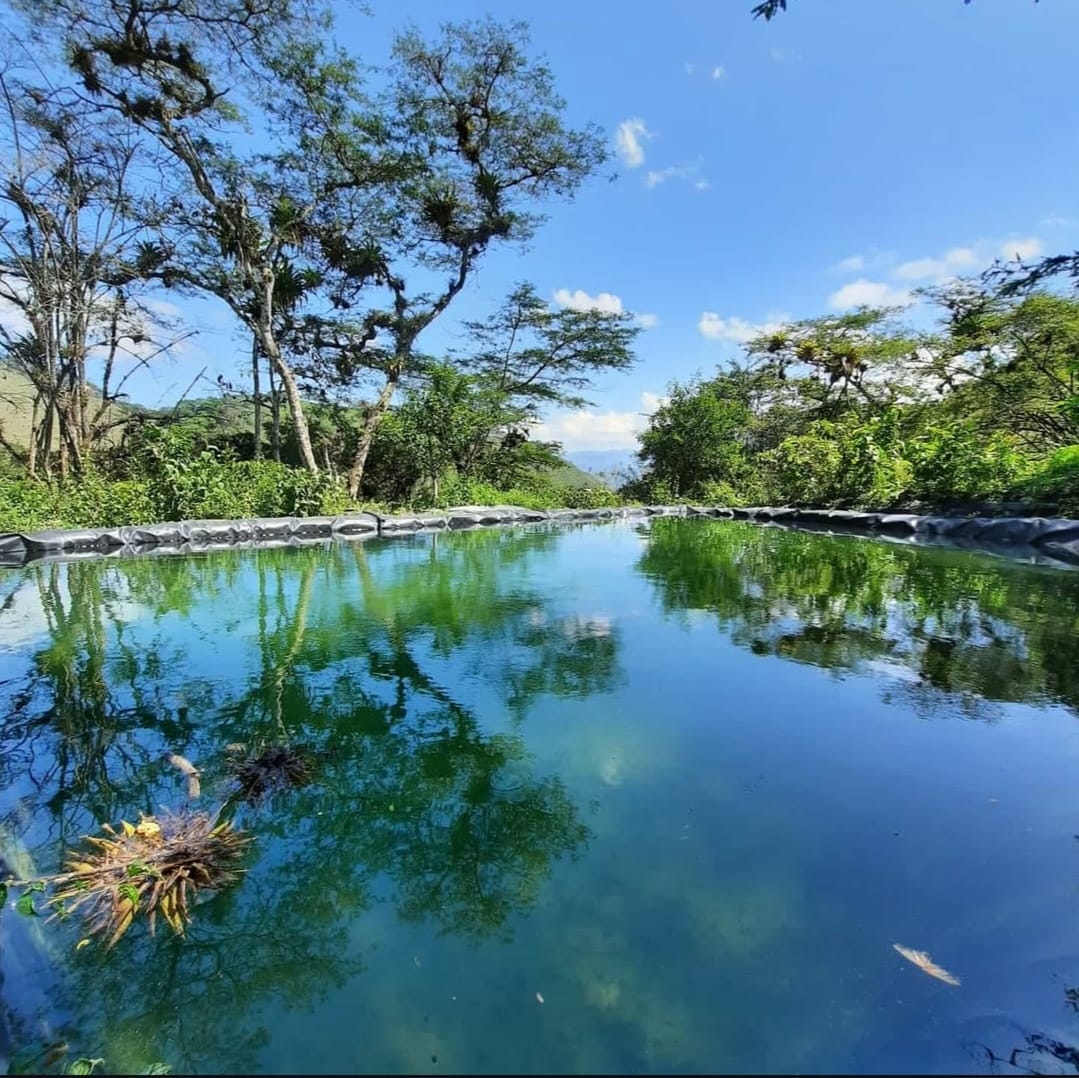
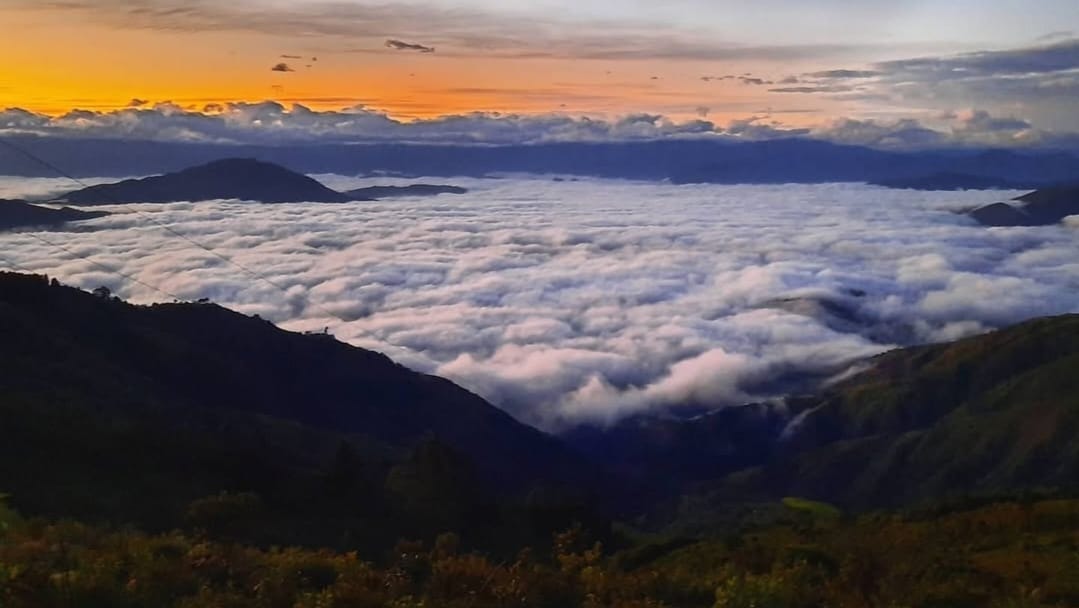
At the southern frontier of Ecuador, where the Andean mountain range fractures and slopes gently toward the coastal plains, lies Sozoranga. In this untamed corner of the Loja province, nature whispers tales of resilience and adaptation. Here, the fresh mountain air of the Andes collides with the warm currents rising from the Pacific, creating a dense blanket of morning mist that caresses the hillsides. In the heart of this singular microclimate sits Hacienda La Florida, a coffee farm that has redefined the specialty coffee landscape in South America.
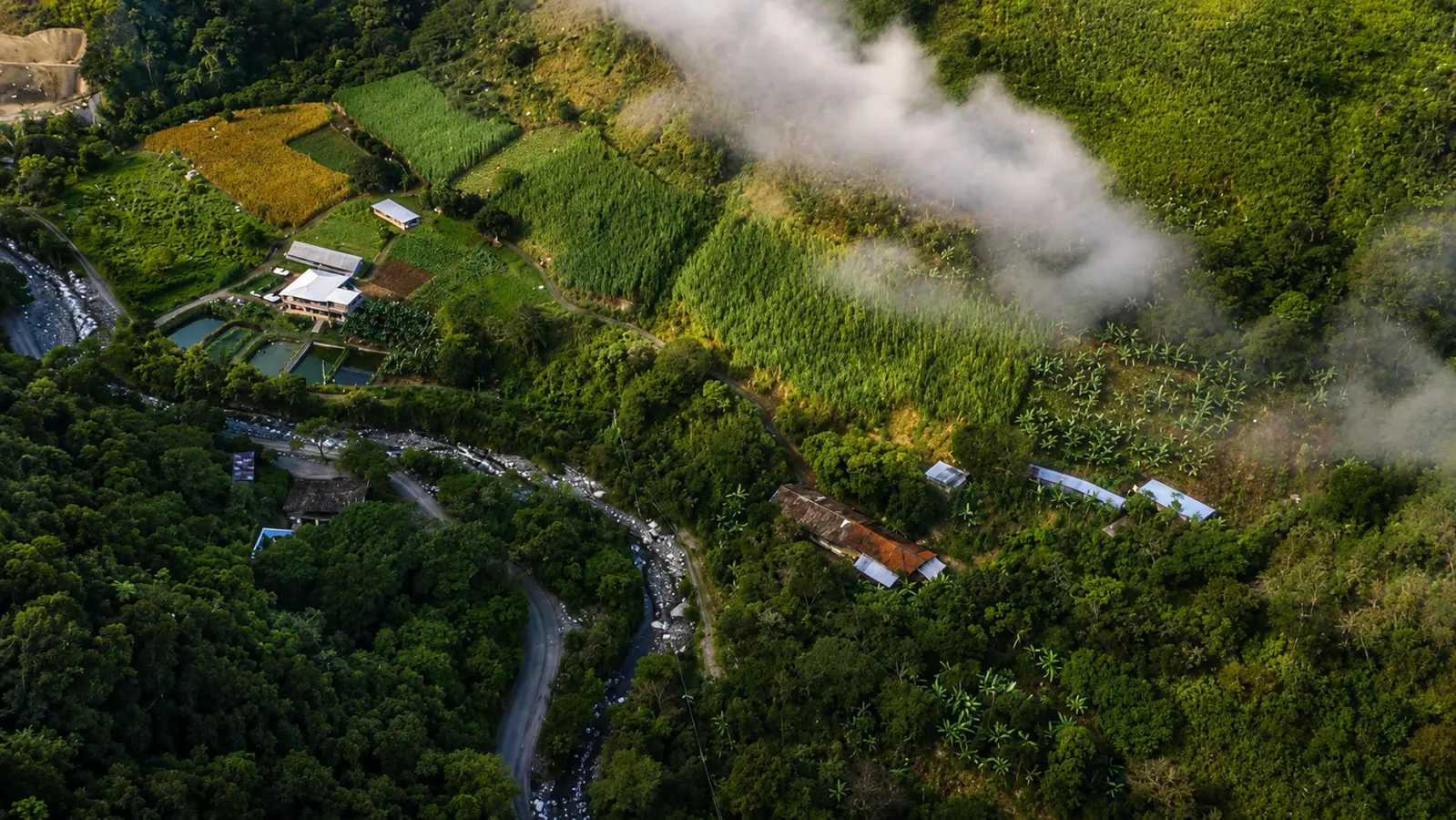
What is now a beacon of agronomic excellence began as a blank canvas guarded by the majesty of the Tropical Dry Forest. Hacienda La Florida is not merely a production unit; it is a living ecosystem spanning 130 hectares, of which 87 remain untouched as actively protected primary forest. Within the 8 hectares dedicated to coffee cultivation, under the shade of native guayacán, faique, and yaragua trees, grows a densely structured bean that encapsulates the very essence of this territory of contrasts.
The Genesis of an Agronomic Dream (1994 - 2014)
The contemporary origin of Hacienda La Florida dates back to 1994. In that year, the parents of the Coronel Pilco brothers acquired this historic estate, which held within its soil the vestiges of an old Spanish colonial hacienda and pre-existing indigenous settlements. Their initial vision was not tied to coffee, but rather to establishing a diversified agricultural enterprise—a legacy of love for the land that could be carried on by future generations.
The true transformation began when Fabricio and Ramiro Coronel Pilco decided to dedicate their lives to the scientific study of agriculture. Both brothers graduated as agronomists from the prestigious Zamorano Pan-American Agricultural School in Honduras, a globally recognized institution famed for its rigor and its motto “Learning by Doing”. This education instilled in them a unique perspective: a farmer should not be a mere spectator of natural cycles, but a scientific steward of the soil and the plant.
To deepen his expertise, Fabricio Coronel Pilco traveled to Italy, where he earned a Master’s Degree in Coffee Economics and Science in the historic city of Trieste. This immersion in the cradle of European espresso culture allowed him to understand the global value chain, from seed genetics to the chemistry of extraction.
Armed with this combination of practical knowledge and international specialization, the brothers returned to Sozoranga. In 2014, they decided that specialty coffee would be the vehicle to express the richness of their terroir. After two years of soil preparation, in 2016, they planted the first experimental plot of the Sidra varietal. They did not seek mass production, but rather perfection in microlots. After years of patient care, the first significant and commercially viable harvest was collected in 2020, marking the beginning of a new era.
The Terroir of the Tropical Dry Forest and Biodiversity
The determining factor in the sensory complexity of Hacienda La Florida’s coffees is its terroir. The farm is situated in the critical Tumbesian ecoregion, specifically within the Tropical Dry Forest—one of the most fragile and threatened ecosystems on the planet, of which less than 2% of its original coverage survives globally.
| Terroir Factor | Impact on the Cup |
|---|---|
| Altitude (1,500 - 1,700 masl) | Slow ripening of the cherry, allowing optimal accumulation of organic acids and a dense cellular structure. |
| Dry Season Stress | The absence of rainfall between June and November controlledly stresses the plant, forcing it to concentrate sugars and nutrients in the cherries. |
| Protected Primary Forest | 87 hectares acting as a thermal barrier and moisture buffer, maintaining a soil rich in living organic matter. |
| Native Wildlife | Coatis, howler monkeys, and over 40 species of birds that contribute to pollination and natural pest control. |
This microclimate imposes an extremely slow ripening pace. While in warmer regions cherries ripen in a few months, in Sozoranga the process takes up to eight months. This patient wait results in a coffee of brilliant acidity and a deep sweetness that cannot be replicated anywhere else on Earth.
The Trilogy of Singular Varietals
Hacienda La Florida has focused its efforts on cultivating three exceptional varietals, selected not for their volumetric yield, but for their outstanding cup potential:
- Sidra: This varietal is an Ecuadorian genetic treasure. It is believed to be a spontaneous cross between an Ethiopian landrace lineage (a natural mutation of Typica) and Bourbon, acclimated in the mountains of Ecuador. In the cup, La Florida’s Sidra exhibits a floral complexity reminiscent of jasmine and roses, combined with a silky body and a crisp malic and winey acidity reminiscent of green apple and aged white wine.
- Typica Mejorado: Despite its name, recent genetic analysis reveals that this varietal has a strong parentage with ancestral Ethiopian coffee trees (Heirloom), crossed with the structural sweetness of Bourbon. It is an extremely elegant and clean coffee. It presents bright citrus notes of mandarin and bergamot, a velvety body, and a long, sweet finish reminiscent of honey and floral black tea.
- Catucaí: A hybrid that combines agronomic vigor with an excellent response to processing. At Hacienda La Florida, Catucaí is grown in the plots with the highest wind exposure. It develops a robust fruit profile, with notes reminiscent of ripe red fruits, dark chocolate, and a dense creaminess in the mouth. This varietal was the star of the presentation that crowned Matt Winton in the 2021 World Brewers Cup championship.
A Decorated and Consistent Trajectory
In the international specialty coffee circuit, consistency is the hardest attribute to achieve. Many producers score highly once and then disappear from the listings. Hacienda La Florida has demonstrated astonishing consistency at the highest competitive level:
- 2020: In its first commercial harvest year and its first entry into the national Taza Dorada competition, the farm took 1st Place—an unprecedented historical achievement for a debut producer.
- 2021: The farm’s Catucaí was selected by Swiss-Australian competitor Matt Winton for his routine at the World Brewers Cup in Milan, where he won the world championship.
- 2022: The farm returned to the national podium, obtaining 3rd Place in the Taza Dorada competition.
- 2023: In the prestigious Cup of Excellence Ecuador, Hacienda La Florida secured 4th Place with an outstanding score of 89.39 points.
- 2024: Consolidating its status, it once again secured 4th Place in the national Cup of Excellence.
- 2025: In the international subasta of exclusive microlotes managed by Qima Coffee (EFC), the farm positioned itself in 5th Place with an exceptional lot scoring 88.46 points.
This track record is not the result of chance; it is the product of scientific quality control that begins with the biological nutrition of the soil and ends with the systematic cupping of each microlot.
The Temple of Malacatos: The Dry Mill Plant (2025)
In July 2025, Fabricio and Ramiro Coronel Pilco took the most ambitious step of their career by inaugurating a state-of-the-art dry mill plant in the Malacatos valley, Loja. This infrastructure not only processes the harvests of Hacienda La Florida but has also become a high-tech processing hub for the most demanding producers in southern Ecuador.
The jewel of this facility is the first climatized warehouse built entirely of adobe in Ecuador. Utilizing the natural thermal inertia of adobe combined with electronic control systems, the warehouse maintains a constant temperature of 18°C to 20°C and controlled humidity. Here, green coffee is stored vacuum-sealed in small units known as “panelitas,” ensuring that the delicate aromatic compounds of the coffee are preserved intact for over twelve months, preventing aging and loss of freshness.
The Malacatos plant also features:
- State-of-the-art optical sorters that scan each individual bean by color.
- Densimetric tables that separate beans by specific gravity.
- A sensory evaluation laboratory equipped with SCA standards where certified Q-Graders analyze each lot.
Thanks to this technological standard, the plant was selected by the multinational Qima Coffee as its official technical headquarters for receiving, cupping, and preparing export lots from the country.
Philosophy of Sustainability and Transparent Trade
Hacienda La Florida operates under a three-dimensional sustainability model:
- Ecological: The active conservation of the 87 hectares of primary forest and the implementation of regenerative agriculture, using biofertilizers prepared on the farm and keeping the use of agrochemicals to an absolute minimum. The estate is also a biodiversity sanctuary for the avifauna of the southern Andes.
- Social: Direct support to more than 50 families of smallholders in the rural areas of Sozoranga and Malacatos, providing them with free agronomic technical assistance, access to high-tech processing at the Malacatos plant, and a direct export channel that pays fair prices far above the conventional market.
- Economic: Intelligent diversification. To avoid relying solely on the seasonality of coffee, the farm produces organic panela in its own processing mill, raises freshwater tilapia, manages cattle sustainably, and cultivates local fruit trees.
All of the farm’s exports are made through Cafesure, an Ecuadorian specialty coffee exporter legally constituted as a B.I.C. company (Benefit and Collective Interest). This guarantees absolute traceability from farm to cup and a binding commitment to generate social and environmental value in Ecuador. Today, Hacienda La Florida’s coffees reach roasters in more than 15 countries across four continents, carrying with them the liquid essence of Sozoranga’s dry forest.
Back to Blog