Direct Trade Coffee: Transparency from Farm to Cup
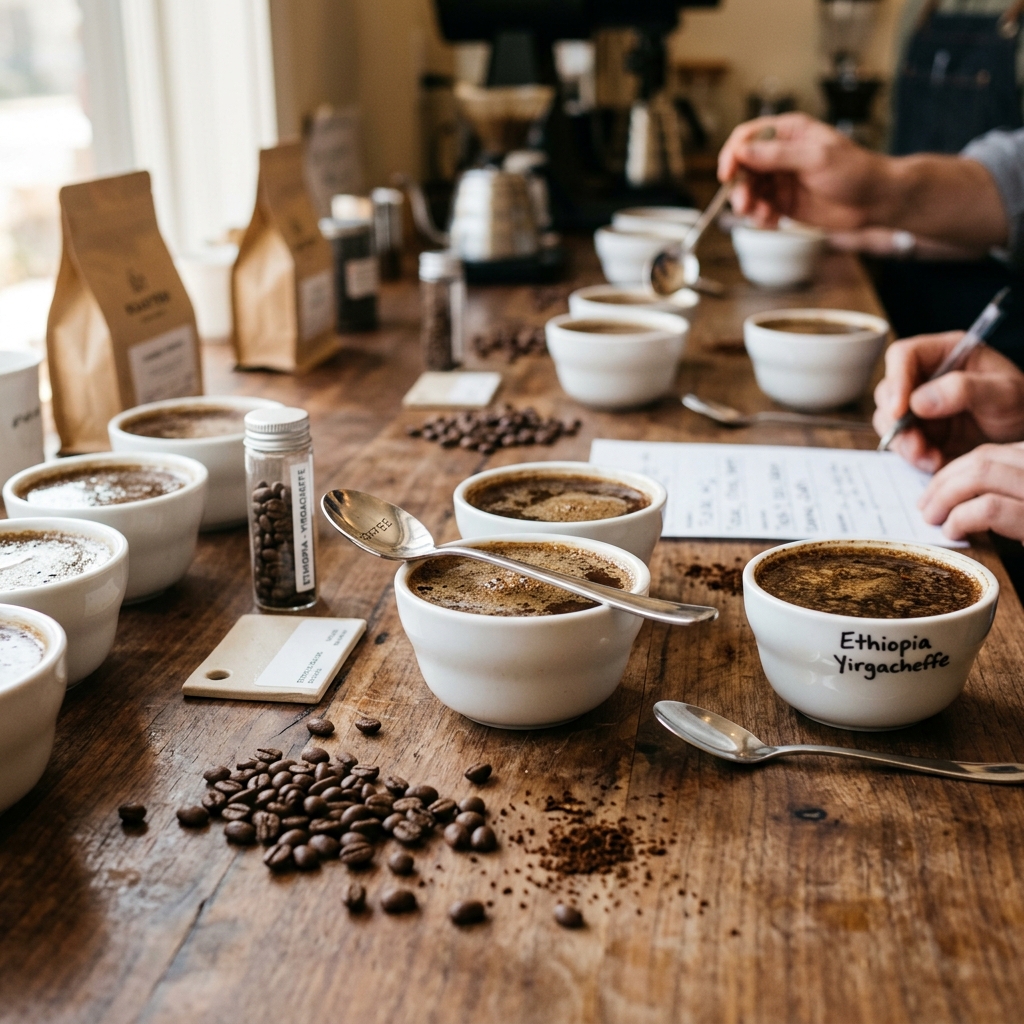
Direct trade is the most transparent way to buy coffee. No intermediaries. No opaque supply chains. One relationship between the roaster and the farm, built on quality, trust, and mutual investment.
What Is Direct Trade?
Unlike conventional commodity coffee — where beans change hands five or six times before reaching the roaster — direct trade means the roaster buys directly from the producer. This creates a relationship where:
- The producer receives a premium price tied to quality, not the C-market
- The roaster knows exactly where the coffee comes from and how it was grown
- Both parties invest in continuous improvement — direct feedback from roaster to producer
Direct trade is not a certification. There is no logo to display. It is a commercial model that requires trust, transparency, and a shared commitment to quality.
How Hacienda La Florida Exports
We export through Cafesure, a B.I.C. (Benefit & Collective Interest) certified export company. B.I.C. certification goes beyond fair trade — it legally requires Cafesure to prioritize social and environmental impact alongside profit.
Every lot is traceable through a 5-phase custody path, from harvest through dry mill to export. This ensures that nothing is lost, blended, or misidentified along the way.
Lot Transparency in Practice
Consider a recent shipment: LOT LJ-247. Here is exactly where it came from:
| Detail | Information |
|---|---|
| Farm | Hacienda La Florida |
| Producer | Familia Coronel Pilco |
| Altitude | 1,600 masl |
| Variety | Typica Mejorado |
| Process | Washed |
| GPS coordinates | Recorded and shared |
Every Cafesure lot carries this level of traceability. GPS-tagged, producer-verified, and cupped before leaving Ecuador.
Who Buys Our Coffee Direct
Some of the world’s most respected specialty roasters source from Hacienda La Florida through Cafesure — Phil & Sebastian (Canada), Prodigal (USA), Sorellina (Canada), and Rosslyn Coffee (UK). These are roasters who could buy from anywhere. They choose us because direct trade gives them control over quality and a story they can share with confidence.
In 2021, Matt Winton — World Brewers Cup Champion — visited the farm personally to select the coffee for his winning presentation. He walked the fields, cupped multiple lots with Fabricio and Ramiro, and made his choice on-site. That is direct trade at its most direct: a world champion standing in the dry forest, choosing his competition coffee from the tree.
Direct Trade vs Fair Trade vs Commodity
| Model | Price to Producer | Transparency | Quality Incentive |
|---|---|---|---|
| Direct Trade | Premium tied to quality | Complete | Strong — roaster provides feedback |
| Fair Trade | Minimum floor price | Limited | Weak — no quality differentiation |
| Commodity | C-market price | None | None |
Fair Trade guarantees a minimum price, which matters. But it does not reward exceptional quality. Direct trade does. When a roaster pays premium prices for a microlot, that premium reaches the farm, not intermediaries.
Our Quality Infrastructure
Every Cafesure lot is evaluated and prepared at Hacienda La Florida’s in-house cupping lab and export facility in Malacatos. Our Q-Grader team assesses every batch before it ships. The facility includes optical sorting, density separation, and climate-controlled storage — ensuring the coffee that leaves Ecuador is the same quality the roaster selected.
The direct feedback loop is the most powerful driver of quality improvement in specialty coffee. When a producer knows exactly who is buying their coffee and how it will be evaluated, they can adjust processing, drying, and selection to meet that buyer’s preferences. This is impossible in the commodity market, where coffee is blended before anyone tastes it.
Direct trade is not just a model. It is a commitment to quality and transparency that starts at the farm and ends in your cup.