Over the past decade, Ecuador has consolidated its position as one of the most dynamic, complex, and highly sought-after specialty coffee origins on the planet. With its extreme Andean geography, its position on the equator, and an exceptional genetic heritage, the country offers sensory profiles that are impossible to replicate in other coffee-growing regions around the world. For specialty coffee roasters looking to diversify their menus with exceptional microlots, sourcing directly from Ecuador represents an unmatched sourcing opportunity.
This guide provides a detailed analysis of the green coffee sourcing landscape in Ecuador, examining its regions, the science behind its unique varieties, its cutting-edge processing infrastructure, and export logistics through Hacienda La Florida and its export partner Cafesure S.A.S. B.I.C.
1. The Geopolitical and Agricultural Evolution of Ecuadorian Coffee
To understand the contemporary market for green coffee in Ecuador, it is necessary to examine its recent historical evolution. Traditionally, Ecuador was known as a medium-volume producer of commercial Arabica coffee and a major cultivation center for Robusta coffee destined for the soluble instant coffee industry. However, high domestic production costs—driven largely by the complete dollarization of the national economy in 2000 and labor legislation requiring fair wages and conditions for harvest laborers—prevented the country from competing on price with commercial coffee giants like Brazil or Vietnam.
This economic reality forced a radical restructuring in the field. Ecuadorian producers realized that their only path to economic viability was absolute specialization: producing coffees of such high sensory value that they would justify premium prices in global markets.
This transition has been supported by three innate competitive advantages:
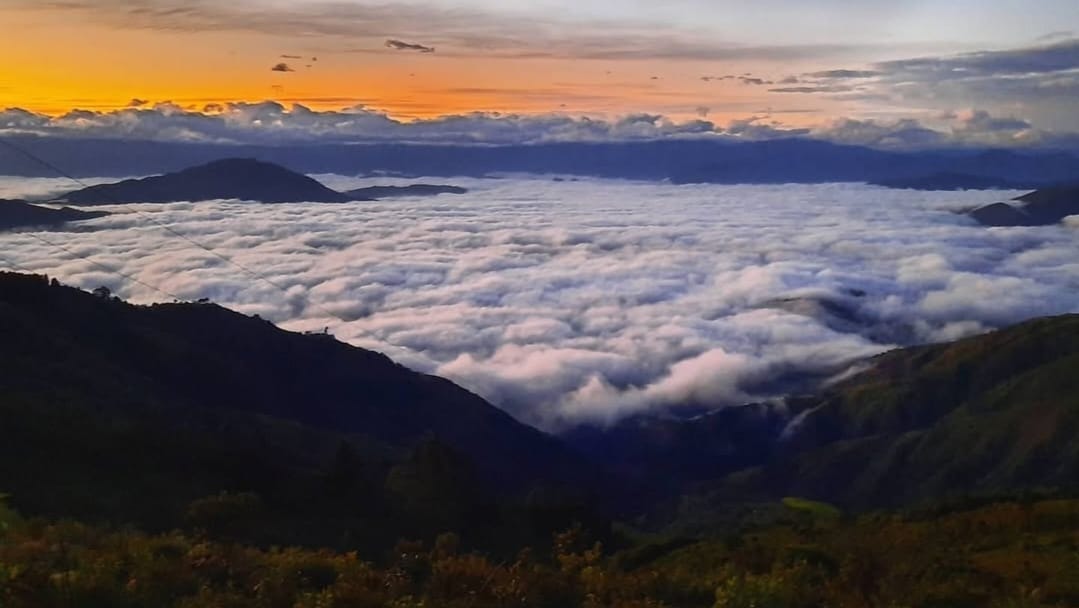
- Equatorial Position and Extreme Elevation: Located at latitude 0°, Ecuador receives consistent, perpendicular solar radiation throughout the year. When this solar energy is combined with Andean elevations that easily exceed 1,800 and even 2,100 masl, a slow-ripening microclimate is created. The coffee plant can photosynthesize efficiently year-round, while cool mountain nights slow down the cellular ripening of the bean, concentrating sugars and complex acidity.
- Young Volcanic Soils: The Andean range in Ecuador is characterized by ongoing volcanic activity. Coffee-producing soils, especially in the north and south of the country, are rich in volcanic ash and organic matter. These soils provide an abundant supply of potassium, phosphorus, and nitrogen—minerals essential for developing lipids and sugars inside the coffee bean.
- Diversified Microclimates: Within just a few miles, Ecuador’s geography transitions from highly humid Andean cloud forests to arid tropical dry forests. This climate diversity generates radically different cup profiles within a single province.
2. Specialty Coffee Regions of Ecuador
Despite being a small country, Ecuador has several well-defined specialty coffee-producing regions. Each operates under different harvest calendars and offers distinct sensory profiles.
| Region | Key Provinces | Altitude Range (masl) | Harvest Season | Predominant Cup Profile |
|---|---|---|---|---|
| Loja (South) | Loja (Sozoranga, Saraguro, Cariamanga, Puyango) | 1,200 – 2,100 masl | March – August | Intense floral notes (jasmine), structured citric and malic acidity, deep caramel and panela sweetness. Creamy body. The historic epicenter of specialty coffee. |
| Pichincha (Norte) | Pichincha (Nanegalito, Pacto, San José de Minas) | 1,200 – 1,800 masl | May – September | Clean and crystalline profiles, bright citric acidity (lemon, tangerine), herbal and green tea notes. |
| Imbabura (Norte) | Imbabura (Ibarra, Cotacachi) | 1,200 – 1,800 masl | May – September | Pronounced stone fruit notes (peach, apricot), caramel sweetness, medium and balanced body. |
| Zamora Chinchipe (East) | Zamora Chinchipe (Palanda, Chinchipe) | 1,400 – 1,900 masl | April – August | Great intensity of tropical fruits (pineapple, passion fruit), dense cane sugar sweetness, full body influenced by Amazonian humidity. |
At Hacienda La Florida, our production is located in the Loja region, specifically in the Sozoranga canton. Southern Loja is widely recognized as the cradle of specialty coffee in Ecuador, having historically dominated the top placements in the national Taza Dorada competitions and the international Cup of Excellence (CoE) auction.
3. The Genetic Treasury of Ecuadorian Coffee
One of the primary reasons the world’s most selective green coffee buyers travel to Ecuador is its genetic wealth. The country is home to varieties that are considered “botanical gems” of specialty coffee, found in few other commercial origins with the same volumes or terroir expression.
We cultivate three main varieties on our estate in Sozoranga, Loja:
A. Sidra
The Sidra variety is, without a doubt, the signature of specialty coffee in Ecuador. Although there are ongoing debates about its exact origin, genetic testing suggests it is a natural cross between Ethiopian Landraces and Red Bourbon, which adapted and evolved uniquely in the country’s Andean microclimates.
- In the Cup: Sidra offers an extraordinary complexity that rivals the finest Geishas in the world. It is characterized by floral notes of jasmine and orange blossom, a fruit profile resembling ripe stone fruits (peach, nectarine), a bright and juicy acidity (often described as wine-like or green apple), and a silky, refined mouthfeel.
B. Typica Mejorado
Despite its name, Typica Mejorado is not a simple mutation or selection of the traditional Typica variety. Modern genetic analysis has revealed that it is an exceptional hybrid developed by crossing a Bourbon with a wild Ethiopian Heirloom variety.
- In the Cup: This variety stands out for its clarity and crystalline structure. It offers bright citric acidity (raspberry lemonade, bergamot), an elegant floral sweetness, and a long, clean finish reminiscent of black tea and high-purity dark chocolate. It is our most awarded variety in auction competitions.
C. Catucai 2SL
Catucai 2SL is a red-fruited hybrid variety resulting from the cross of Icatu (which brings Robusta genes via Timor Hybrid, conferring resistance to leaf rust) and Catuai (which brings productivity and sweetness).
- In the Cup: It completely shatters the prejudice against disease-resistant varieties. Grown at high altitude in Sozoranga, Catucai 2SL develops a dense, creamy, syrupy body with a rounded acidity and an intense, caramelized sweetness featuring notes of ripe plum, dark cherry, and milk chocolate. This was the variety chosen to form the winning blend at the 2021 World Brewers Cup in Milan.
4. Processing Methods and Innovation
At Hacienda La Florida, we understand that genetics and altitude only define the initial potential of the bean. The post-harvest processing is what unlocks and intensifies specific flavor notes. Therefore, we apply rigorous quality control at every stage of the wet milling process:
Precision Harvesting
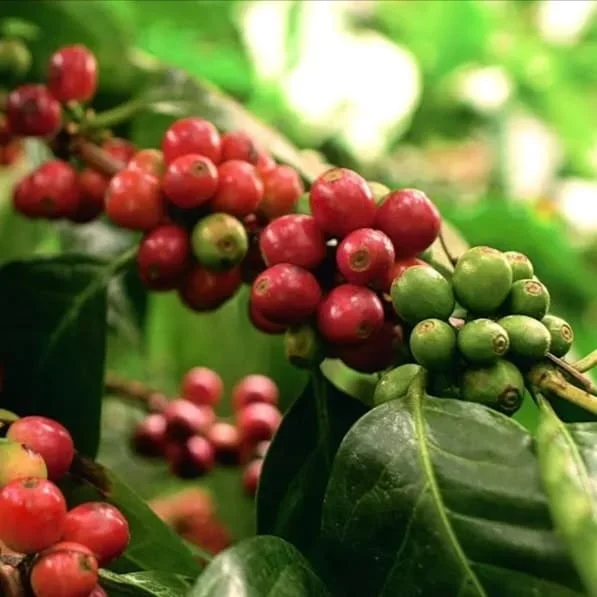
Our pickers manually harvest only the cherries that are at their optimal ripeness. We use refractometers in the field to ensure the sugar content of the pulp reaches a minimum of 18° to 20° Brix before proceeding to processing.
Processing Methods Available for Sourcing:
- Classic Washed: A transparent expression of genetics and soil. After depulping, the coffee ferments dry in stainless steel tanks for 12 to 24 hours, depending on ambient temperature. It is washed with clean spring water and dried slowly.
- Profile: Exceptionally clean cup, crystalline acidity, light to medium body, pure floral notes.
- Honey (White, Yellow, and Red): The cherries are depulped, leaving varying percentages of mucilage attached to the parchment before being transferred to drying beds.
- Profile: Outstanding balance between acidity and sweetness, silky body, and notes of honey, apricot, and brown sugar.
- Natural: Whole cherries are washed and sorted by density in water channels before being dried slowly on raised beds with the fruit intact.
- Profile: Bold ripe fruit, dense and heavy body, intense sweetness of red berries and jam.
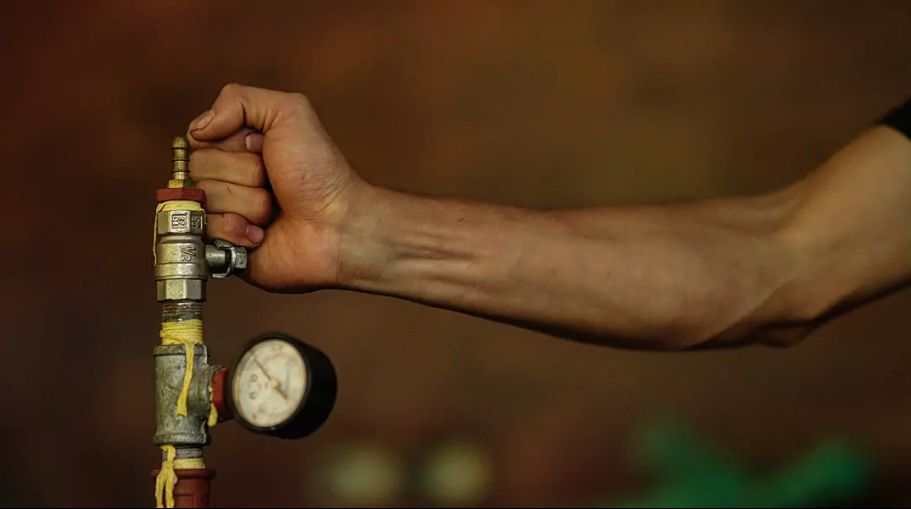
- Natural Carbonic Maceration (CM Natural): Whole cherries are placed into hermetic stainless steel tanks equipped with pressure release valves. The tanks are purged and pressurized by injecting carbon dioxide (CO₂) gas, forcing an anaerobic intracellular fermentation.
- Technical Protocol: Controlled fermentation in a CO₂ atmosphere for 96 hours at a constant temperature until reaching a target pH of 3.9. The coffee then undergoes slow drying in a dark room for 15 days, followed by a 10-day rest in hermetic GrainPro bags and a final 45-day sun-drying phase to ensure moisture stability.
- Profile: Extraordinary complexity, notes of red wine, ripe tropical fruits, a velvety texture, and a highly refined lactic and malic acidity.
5. The Malacatos Dry Mill: Cutting-Edge Export Technology
One of the traditional barriers for green coffee buyers in Ecuador has been the lack of specialized infrastructure for final dry milling and storage. To address this challenge, Hacienda La Florida inaugurated its own dry mill facility in the Malacatos parish, south of Loja city, in July 2025.
This facility represents a major technological investment in the region and operates under strict SCA (Specialty Coffee Association) standards. The plant performs physical and optical quality control in multiple stages:
- Hull without Polishing: We remove the parchment mechanically, controlling roller pressure to prevent excessive friction that heats the green bean, thereby protecting lipids and preserving the shelf life of the coffee.
- Screen Sizing: Oscillating screen graders separate beans by size with millimeter precision to ensure an even roast.
- Density Separation: Gravity tables eliminate hollow, insect-damaged, or low-density beans, selecting only the densest, most developed beans.
- Optical Color Sorting: An optical color sorter equipped with high-speed multispectral cameras scans each individual bean as it falls, ejecting any bean with discoloration, insect damage, or defects invisible to the human eye using micro-jets of compressed air.
- Manual Hand Selection: As a final step, a team of trained operators performs a visual manual inspection on speed-regulated conveyor belts to guarantee a defect-free lot.
The Climate-Controlled Adobe Warehouse: Unique Preservation in Ecuador
Heat and humidity during storage at origin are the primary enemies of specialty green coffee, accelerating its aging and causing a loss of acidity and floral notes within just a few months.
Our warehouse in Malacatos is the first in Ecuador constructed with traditional adobe walls combined with a digital climate-control system. The adobe, due to its natural thermal inertia, stabilizes temperature, while the climate control maintains a constant temperature of 18°C to 20°C and regulated relative humidity.
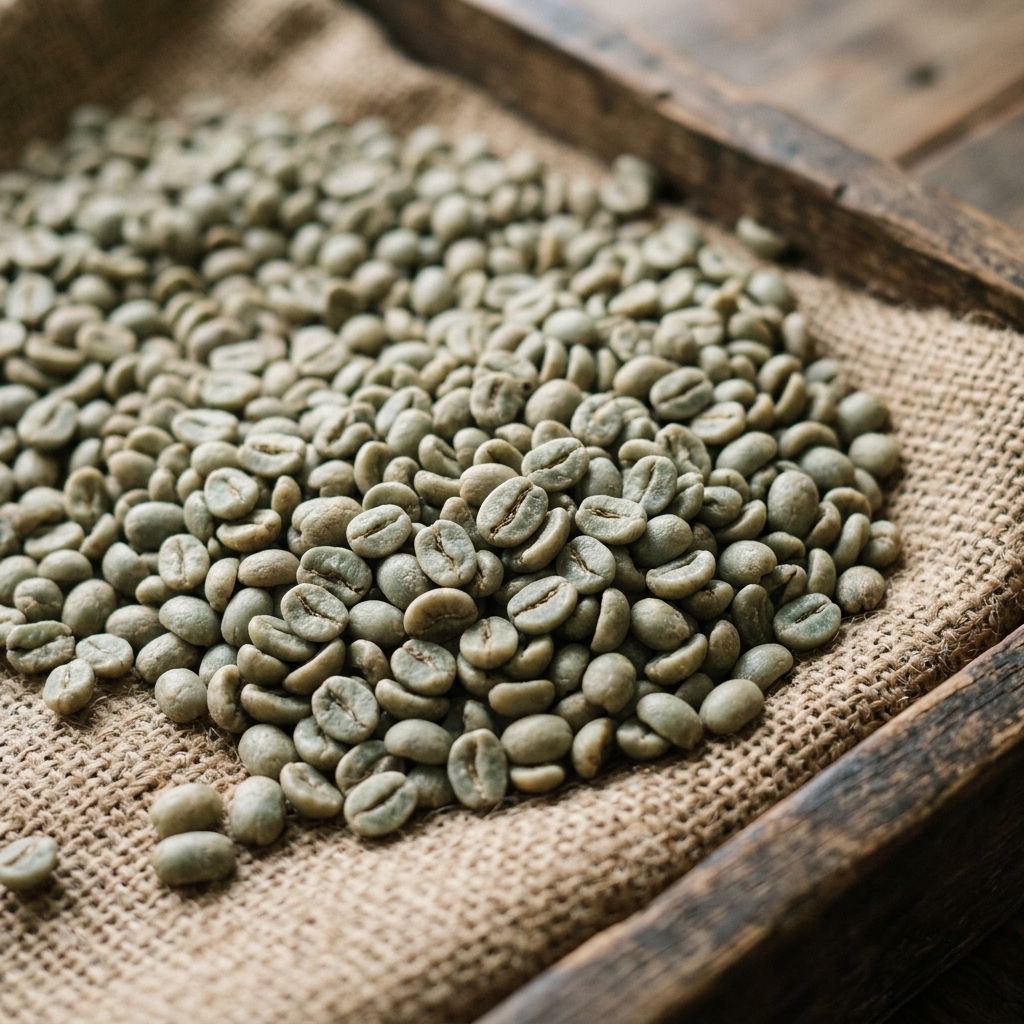
We package the sorted green coffee in vacuum-sealed 10 kg “panelitas” protected by heavy-duty corrugated cardboard boxes. This packaging and storage method prevents oxidation and keeps the green coffee in an optimal state of freshness for up to one full year, allowing roasters to schedule split shipments without worrying about quality loss.
This technological infrastructure has been so successful that in 2025 it was selected as the official technical headquarters for the Qima Coffee international auction (Ecuador Farmer’s Collection), handling the dry processing and storage of the 36 winning microlots from across the country.
6. Sourcing and Import Logistics
Buying and shipping specialty coffee from Ecuador requires rigorous logistical planning. Through our export partner, Cafesure S.A.S. B.I.C., we facilitate direct sourcing for roasters worldwide:
- Standard Shipping Terms: We operate under FOB Ecuador terms (typically ports of Guayaquil or Manta). We handle the transportation of the packed green coffee in climate-controlled trucks from our Malacatos warehouse to the port, managing all customs clearance out of Ecuador.
- Certified B.I.C. Export Partner: Cafesure operates under the Ecuadorian legal status of Benefit and Collective Interest Society (B.I.C.), guaranteeing that the supply chain adheres to fair trade practices, living wages for farmworkers in Sozoranga, and the active conservation of our 87 hectares of primary forest.
- Packaging Formats:
- Premium microlots: 10 kg vacuum-sealed packs in cardboard boxes.
- Standard lots: 30 kg or 60 kg GrainPro-lined jute bags.
- Export Destinations: We have successfully shipped to 15+ countries across 4 continents, including the United States, Canada, the United Kingdom, the European Union, Saudi Arabia, Japan, South Korea, Taiwan, and Australia, adapting phytosanitary and customs documentation to the specific regulations of each importing country.
7. Sourcing Workflow for Green Coffee Buyers
For roasters interested in establishing a direct trade relationship with Hacienda La Florida, we follow a transparent and structured sourcing workflow:
- Request Harvest Samples: The harvest season in Loja runs from March to August. The first physical samples of the crop are available starting in May. You can request samples by emailing info@haciendalaflorida.com or contacting our green coffee sales team via WhatsApp at +593 96 275 2719. We ship 200g green samples internationally via DHL or FedEx.
- Sensory Evaluation and Calibration: Roasters can evaluate samples in their own quality control labs. If preferred, we organize virtual cupping sessions via video conference with our Q-Grader team in Malacatos to calibrate sensory profiles. We also invite buyers to visit our lab to cup fresh lots in person.
- Origin Trips: We encourage roasters to visit Sozoranga and Malacatos during the harvest season. Walking the steep slopes of the Dry Forest, observing the picking process, and meeting the Coronel Pilco family and the local farmworkers builds a solid foundation for a long-term direct trade partnership.
- Traceability Verification: Every contracted lot includes a detailed technical sheet containing:
- Exact GPS satellite coordinates of the cultivation plot within the estate.
- Variety documentation and exact picking and drying dates.
- Fermentation protocols with pH and Brix readings.
- Physical measurements of the green coffee: Moisture content and water activity (aw).
- SCA-certified cupping score and sensory report from our laboratory.
8. Sourcing with Purpose
Ecuador specialty coffee is not a commodity; it is an artisanal, high-technology product. Sourcing directly from Hacienda La Florida supports a fully sustainable production model. The purchase price of every lot directly funds fair wages for the local families in Sozoranga who pick and process the coffee, and covers the operational costs of keeping 87 hectares of primary virgin forest intact—combatting deforestation and preserving a critical global biodiversity hotspot.
If you are ready to source coffee with absolute traceability, world-class cup quality, and real ecological impact, we invite you to contact us to receive our latest harvest samples.
Ecuador green coffee from the Dry Forest: Source at origin, roast with precision, taste the difference.
Explore more: how our direct trade model ensures transparency and fair returns in the field, and take a tour of our dry mill facility where every lot undergoes the most rigorous quality control before crossing international borders.
Back to Blog