Pushing the Limits: Yeast Inoculation and Isobaric Fermentations
In the early days of specialty coffee, fermentation was viewed simply as a mechanical step to remove sticky mucilage from the parchment. Today, we understand that fermentation is the crucible of coffee flavor. It is where complex sugars are broken down into acids, esters, and alcohols that define the final cup’s character.
At Hacienda La Florida, we are moving beyond wild, spontaneous fermentations. In a quest to unlock unprecedented cup profiles, we have embraced the science of yeast inoculation and borrowed technology from the winemaking world: isobaric stainless steel tanks.
The Taiwan Connection: Collaborative Research with Tri-Up Coffee
Yeasts are microscopic fungi that consume sugars and release flavor compounds. While wild yeasts exist on coffee cherries, they can be unpredictable. Inoculation involves introducing specific, isolated yeast strains to dominate the fermentation environment, guiding the flavor development in a controlled direction.
To push these boundaries, we partnered with Tri-Up Coffee, a pioneering green coffee importer from Taiwan that specializes in processing design. Tri-Up shipped us exclusive yeast strains developed for experimental fermentations.
Over multiple harvests, we have tested and cataloged different yeast families:
- Wine Yeast Strains (Saccharomyces cerevisiae): Known for highlighting vibrant, crisp fruit notes and complex organic acids.
- Beer Yeast Strains (such as Ale and Saison yeasts): Which contribute rich, sweet, and tropical esters (notes of banana, clove, and stone fruits) to the final cup.
By matching different yeast strains with specific coffee varieties—such as Sidra, Typica Mejorado, or Bourbon—we can design completely unique sensory experiences.
Borrowing from the Wine Industry: Isobaric Tanks
To give these selected yeasts the perfect environment, we replaced traditional open plastic tubs with isobaric stainless steel tanks. These tanks are built to withstand internal pressure and are widely used in commercial wineries and breweries.
Why use isobaric tanks for coffee?
- Anaerobic Control: The hermetic seal allows us to completely flush out oxygen, preventing the growth of spoilage organisms like acetic acid bacteria (which can make coffee taste vinegary).
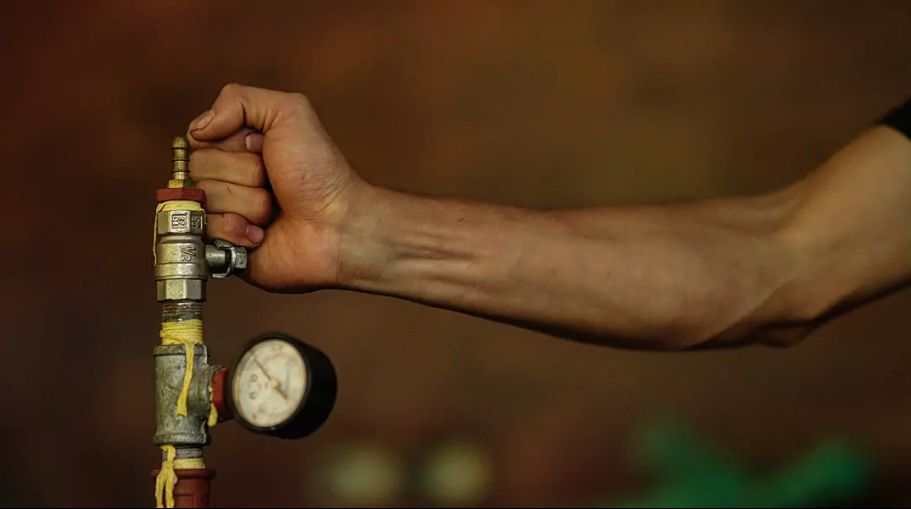
- Pressure Control (Isobaric Fermentation): As yeasts consume sugar, they release carbon dioxide (CO2). In a sealed isobaric tank, this CO2 creates pressure. This pressure forces the carbon dioxide and the newly created aromatic esters back into the coffee bean’s cellular structure, intensifying the flavor absorption.
- Temperature Stability: The double-walled, stainless steel structure allows us to carefully monitor and maintain cool temperatures, preventing run-away fermentations that ruin cup clarity.
The Result in the Cup
Yeast inoculation and pressurized isobaric fermentations yield coffees with extraordinary clarity and cleanliness, coupled with highly distinct flavors.
Our yeast-fermented washed Typica Mejorado lots show a striking brightness of clean white wine, lavender, and sparkling acidity. Meanwhile, our natural processes treated with specific tropical beer yeasts display deep aromas of passionfruit, mango, and a velvety milk-chocolate body.
This scientific, collaborative approach with partners like Tri-Up Coffee allows us to expand the sensory boundaries of Ecuadorian coffee. We aren’t just harvesting what nature gives us; we are actively designing the future of flavor.